


909.630.3943

Tariffs

U.S. and E.U. Trade Agreement

In this Supply Chain Byte, Lisa Anderson discusses the finalized trade deal, including the U.S. tariff on E.U. goods, the E.U.’s elimination of most tariffs on U.S. goods, expanded access for agricultural products and significant investment and purchase commitments. Companies must strengthen SIOP and capacity planning to scale successfully, protect margins, and take advantage of what is coming.

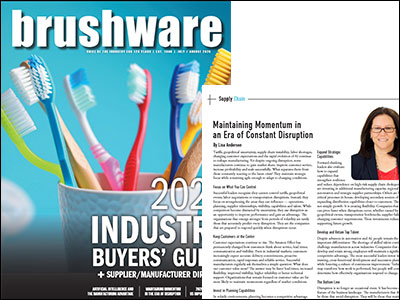
How Manufacturing Leaders Maintain Momentum in an Era of Constant Disruption

Manufacturing leaders can no longer wait for disruption to pass. Learn how leading manufacturers are responding to tariffs, geopolitical risk, AI, labor shortages, and changing customer expectations by strengthening planning, building resilient supply chains, leveraging technology strategically, and investing in the people and capabilities that drive long-term profitable growth.

Tariffs, Trade Deals & Supply Chain Strategy

Although the Supreme Court ruling changed how tariffs are implemented, it did not eliminate them. With new trade agreements taking shape and additional negotiations underway, manufacturers and distributors should focus on strengthening supply chain resilience, profitability, and flexibility to navigate the evolving trade environment.

Manufacturing & Exports Gain Momentum: Prepare for AI-Enabled Scaling

According to the Institute of Supply Management (ISM), manufacturing is gaining strong momentum with the fourth month in a row in expansionary territory. Exports are gaining as well with the trade deals. Smart manufacturers are preparing to scale profitably and better utilize AI-enabled systems and technologies.

Transportation Trends and Opportunities as Supply Chains Reshape

As supply chains reshape with changing geopolitical and trade conditions, transportation evolves. Transportation and goods movement systems remained largely intact, yet as supply chain networks evolve and artificial intelligence (AI) takes hold, transportation infrastructure and related networks will transform to provide superior customer value in an efficient and profitable manner.

Rebuilding Industrial Manufacturing in the U.S.

Tariffs, sweeping policy changes under the One Big Beautiful Bill, heightened geopolitical risk and the accelerating impact of artificial intelligence, is leading companies to rethink where and how they build their products and serve their customers. After decades of offshoring, fragile global supply chains and margin pressure, U.S. manufacturing, mining, and construction are entering a decisive new growth cycle.

Industrial Real Estate & Logistics

In this episode of Supply Chain Chats, Lisa Anderson sits down with Cory Whitman, Vice Chair at Colliers, to explore what is happening in the industrial real estate market - particularly within the big-box sector - and how it directly impacts supply chain strategy.

Tariff Update

In this Supply Chain Byte, Lisa Anderson explains what the ruling means, provides historical context on tariffs and outlines what manufacturers should be thinking about now to protect profitability and remain competitive.

Your Tariffs Playbook & Path Forward in Supply Chain

Tariffs continue to cause great stress in the financial markets and with certain industries. In fact, it divides manufacturers from distributors, logistics, and goods movement industries largely dependent on imports and trade.

Business Valuation & Supply Chains

In this episode of Supply Chain Chats, Lisa Anderson talks with Michael Koeppel, director and founder of Lakelet Advisory Group, about the growing role supply chains play in business valuation. As supply chains have become more complex with tariffs, geopolitical risk and increased customer requirements, valuation models have evolved.

Go to Top