The Future of Critical Mineral Supply Chains
Lisa Anderson has been quoted by Edhat on the challenges facing U.S. defense supply chains as the country works to reduce dependence on China for critical minerals.



Lisa Anderson has been quoted by Edhat on the challenges facing U.S. defense supply chains as the country works to reduce dependence on China for critical minerals.
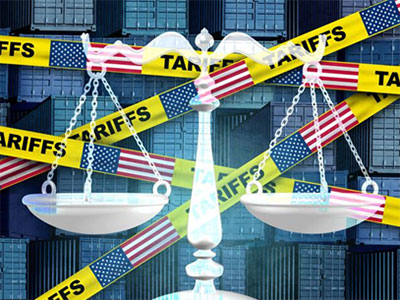
Tariffs have become a long-term reality for manufacturers and supply chain leaders. This briefing recaps the key trade policy milestones, explains where U.S. tariffs stand today, examines the latest developments with China, and outlines practical strategies to reduce risk, improve resilience, and position for profitable growth.
Lisa Anderson and Patrick Daly discuss the U.S.–E.U. trade agreement, geopolitical risk, rightshoring, automation, and regional manufacturing strategies, offering practical insights into how global supply chains are evolving and what manufacturers and distributors should consider next.
In this Supply Chain Byte, Lisa Anderson discusses the finalized trade deal, including the U.S. tariff on E.U. goods, the E.U.’s elimination of most tariffs on U.S. goods, expanded access for agricultural products and significant investment and purchase commitments. Companies must strengthen SIOP and capacity planning to scale successfully, protect margins, and take advantage of what is coming.
Although the Supreme Court ruling changed how tariffs are implemented, it did not eliminate them. With new trade agreements taking shape and additional negotiations underway, manufacturers and distributors should focus on strengthening supply chain resilience, profitability, and flexibility to navigate the evolving trade environment.
As supply chains reshape with changing geopolitical and trade conditions, transportation evolves. Transportation and goods movement systems remained largely intact, yet as supply chain networks evolve and artificial intelligence (AI) takes hold, transportation infrastructure and related networks will transform to provide superior customer value in an efficient and profitable manner.
Tariffs, sweeping policy changes under the One Big Beautiful Bill, heightened geopolitical risk and the accelerating impact of artificial intelligence, is leading companies to rethink where and how they build their products and serve their customers. After decades of offshoring, fragile global supply chains and margin pressure, U.S. manufacturing, mining, and construction are entering a decisive new growth cycle.
You are only as strong as your weakest link in your supply chain. This concept has come to fruition as a series of chokepoints have been impacted. Smart companies are utilizing common sense and artificial intelligence enabled advanced planning systems to predict disruptions, navigate around chokepoints, and proactively prepare for success.
Although there are plenty of issues related to the War in Iran, from a supply chain perspective, the key issue is that the Strait of Hormuz has been blocked. This supply chain chokepoint is limiting the movement of energy. We discuss take aways related to demand, supply, flow and location.
Lisa Anderson is highlighting vulnerabilities in global supply chains as the recent conflict involving Iran creates ripple effects across global trade, energy markets and critical manufacturing components.