


909.630.3943

supply continuity

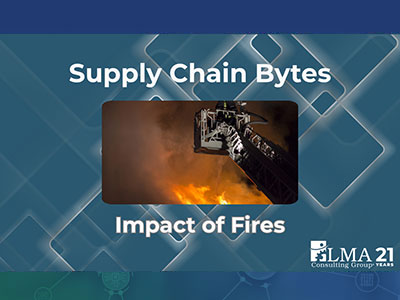
The Impact of Fires

In this Supply Chain Byte, Lisa Anderson discusses two recent examples: a fire affecting a medical device distribution center and another involving a cold storage facility. Both highlight why manufacturers and distributors need more than a static plan.

Manufacturing in Space

In this Supply Chain Byte, Lisa Anderson discusses how microgravity is enabling unique manufacturing processes and why platforms such as Starship are designed with scale and industrial space applications in mind. For manufacturers, the message is clear: start thinking creatively about what may be possible as technology advances.

Supplier Issues

In this Supply Chain Byte, Lisa Anderson explains why companies must pay close attention to demand signals, translate demand into supply requirements and confirm whether suppliers truly have the capacity to support the plan. Knowing when materials will arrive and having a clear ETA is critical.

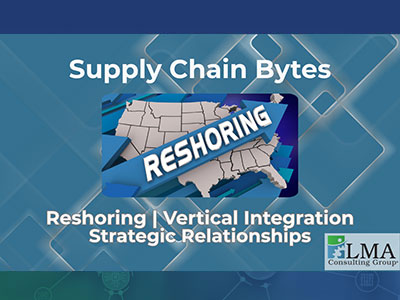
Reshoring, Vertical Integration, Strategic Partnerships

Recent world events continue to reshape supply chains and reinforce the need for greater control, speed and resilience. In this Supply Chain Byte, Lisa Anderson explains why manufacturers must think seriously about reshoring, vertical integration and strategic relationships to fast-track supply and secure the end-to-end supply chain.

The Future of Defense Manufacturing: AI, Speed, and Military Readiness

Advanced military manufacturing is rapidly becoming a cornerstone of national security and economic resilience. Manufacturing capability has become a strategic advantage — and advanced technologies such as AI, automation, robotics, 3D printing, and hyperscale digital manufacturing are reshaping the future of the defense industrial base.

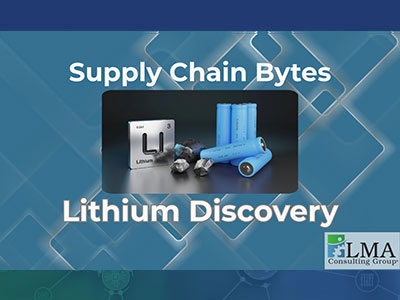
Lithium Discovery

In this Supply Chain Byte, Lisa Anderson explains why the discovery of lithium matters: lithium is a critical input for batteries, electronics and electric vehicles - and the U.S. has historically relied on imports and overseas refining. Lisa outlines what manufacturers should be thinking about now to prepare and take advantage of this shift.

Could the Iran War Trigger a Bigger Trade Crisis Than COVID?

As the Iran war simmers, trade experts ask whether it could reshape supply chains more deeply than COVID, forcing companies to rethink strategies to counter further geopolitical shocks. The back-to-back crises of the pandemic and the Iran war have altered how many companies now assess risk.

Transportation Trends and Opportunities as Supply Chains Reshape

As supply chains reshape with changing geopolitical and trade conditions, transportation evolves. Transportation and goods movement systems remained largely intact, yet as supply chain networks evolve and artificial intelligence (AI) takes hold, transportation infrastructure and related networks will transform to provide superior customer value in an efficient and profitable manner.

Rebuilding Industrial Manufacturing in the U.S.

Tariffs, sweeping policy changes under the One Big Beautiful Bill, heightened geopolitical risk and the accelerating impact of artificial intelligence, is leading companies to rethink where and how they build their products and serve their customers. After decades of offshoring, fragile global supply chains and margin pressure, U.S. manufacturing, mining, and construction are entering a decisive new growth cycle.

Supply Chain Chokepoints in Goods Movement & the Path Forward

You are only as strong as your weakest link in your supply chain. This concept has come to fruition as a series of chokepoints have been impacted. Smart companies are utilizing common sense and artificial intelligence enabled advanced planning systems to predict disruptions, navigate around chokepoints, and proactively prepare for success.

Go to Top