


909.630.3943

supply chain chokepoints

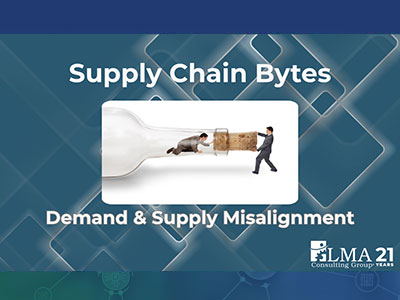
Demand & Supply Misalignment

In this Supply Chain Byte, Lisa Anderson discusses why manufacturers must align demand and supply at each step of the supply chain, using California’s oil and gas and refinery capacity challenges as an example of how reduced capacity can create ongoing pressure and an operational bottleneck.

Could the Iran War Trigger a Bigger Trade Crisis Than COVID?

As the Iran war simmers, trade experts ask whether it could reshape supply chains more deeply than COVID, forcing companies to rethink strategies to counter further geopolitical shocks. The back-to-back crises of the pandemic and the Iran war have altered how many companies now assess risk.

Transportation Trends and Opportunities as Supply Chains Reshape

As supply chains reshape with changing geopolitical and trade conditions, transportation evolves. Transportation and goods movement systems remained largely intact, yet as supply chain networks evolve and artificial intelligence (AI) takes hold, transportation infrastructure and related networks will transform to provide superior customer value in an efficient and profitable manner.

Supply Chain Chokepoints in Goods Movement & the Path Forward

You are only as strong as your weakest link in your supply chain. This concept has come to fruition as a series of chokepoints have been impacted. Smart companies are utilizing common sense and artificial intelligence enabled advanced planning systems to predict disruptions, navigate around chokepoints, and proactively prepare for success.

Energy, Resources & Risk: What Supply Chains Must Navigate Next

In this episode of Supply Chain Chats, Lisa Anderson talks with international business attorney, John Tulac, about the current state of global energy and resources and the growing risks supply chain leaders must navigate.

Gulf War, Impacts & Strategies for the Supply Chain

Despite years of disruption and volatility, most organizations are still operating in a reactive mode—responding to issues rather than proactively shaping outcomes as recently highlighted in the Gulf war. In a recent episode of the Professionals of the Inland Empire podcast, Lisa Anderson discussed this gap and how to prepare for success.

From Reactive to Proactive: Planning Strategies for Medtech Customer and Margin Success

Heightened geopolitical and logistics risks are making it difficult for companies to successfully navigate evolving global supply chain conditions while keeping customer and EBITDA growth goals intact. According to DP World, 82% of supply chain leaders view geopolitical disruption as a major risk, yet only a quarter feel fully prepared.

Building Capabilities for Regional Supply Chain Independence

In this Supply Chain Byte, Lisa Anderson explains why manufacturers must focus on building capabilities for regional supply chain independence. We discuss how the conflict in the Middle East is highlighting the critical importance of regional supply chains and strategies for success.

What to Learn from the Iran War: Demand, Supply, Location & Flow

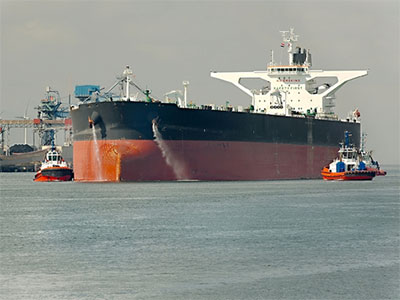
Although there are plenty of issues related to the War in Iran, from a supply chain perspective, the key issue is that the Strait of Hormuz has been blocked. This supply chain chokepoint is limiting the movement of energy. We discuss take aways related to demand, supply, flow and location.

Supply Chain Expert Lisa Anderson Explains How Iran Conflict Is Rippling Through Global Manufacturing

Lisa Anderson is highlighting vulnerabilities in global supply chains as the recent conflict involving Iran creates ripple effects across global trade, energy markets and critical manufacturing components.

Go to Top