

909.630.3943

Inventory, Distribution & Replenishment Planning

Inventory, distribution, and replenishment planning are essential to balancing inventory investment with superior customer service, predictable revenue fulfillment, and profitable growth. Explore insights on inventory optimization, distribution requirements planning, replenishment strategies, multi-echelon inventory, and SIOP (Sales Inventory Operations Planning). Learn how leading manufacturers and distributors leverage Supply Chain Planning, data, technology, and integrated planning processes to improve product availability, strengthen Risk & Resilience, optimize working capital, and support long-term business success.
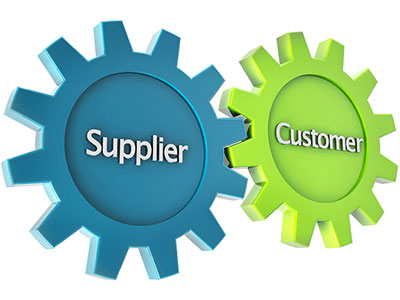
VMI Case Study to Drive Win-Win Customer & Supplier Results

Taking your supplier / customer relationships to the next level of partnership is integral to supporting profitable growth with exceptional customer service and cash flow (ie. inventory turns) levels. Vendor managed inventory (VMI) can be integral to maximizing revenue/ service, profitability, and working capital.
When is a Supply Chain ‘Trade Off’ NOT a Trade Off?

Increasing inventory levels is seen as a trade-off with service and efficiency levels; we find that a win-win-win is achievable. The key: Have the right inventory in the right place at the right time and gain a predictive view of demand to optimise your schedules to reduce inventory while increasing service and efficiency.

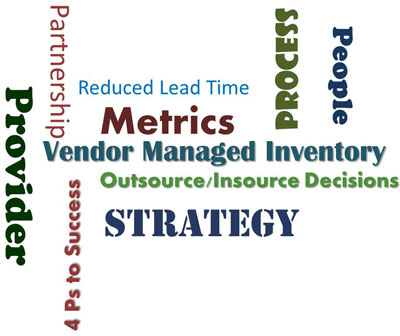
4 Keys to VMI Success

VMI (vendor managed inventory) is the process where the supplier manages the customer's inventory so that the customer has the "right" item in the "right" place at the "right" time to ensure high service levels, efficient and productive operations, and the least amount of inventory tied up unnecessarily. The best VMI programs ensure that the end-to-end supply chain gains with both the supplier and the customer achieving improved results or benefits.

Inventory Optimization In Full Focus in the Turbulent Economy

If you follow the stock market, you might think the economy is strong. As consumers, we are frustrated with the price of everyday supplies such as food, gas, and housing.

Managing Inventory and Cost to Navigate Economic Turbulence

The world faces economic headwinds. According to the Economist, Europe’s economy only grew at 4% this decade as compared with 8% of the United States and is struggling with a triple shock of the energy crisis, surging Chinese imports, and the threat of tariffs from the United States.

Inventory Management: Go Back to the Basics for Success During Volatility

Volatility has become the new normal in supply chains, making effective inventory management more critical than ever. From shifting customer demand and supplier disruptions to inflationary pressures and geopolitical uncertainty, manufacturers and distributors are being challenged to balance service, cost, and working capital simultaneously. Although many companies are investing [...]

Supply Chain Dive: Did the Pandemic Really Kill Just-in-Time? Experts Weigh In

Lisa Anderson was quoted in Supply Chain Dive on whether just-in-time (JIT) is sill relevant or has the world moved to just-in-case.

Right-size Inventory to Thrive During Inflationary & Recessionary Times

In a business environment marked by inflation, rising interest rates, and economic uncertainty, inventory decisions have never carried more weight. The challenge is no longer simply managing inventory—it is right-sizing it to align with demand, service expectations, and financial goals.

Gaining a Logistics Edge with Inventory Management

Logistics costs have been staggering. According to the 33rd Annual State of Logistics report produced by the Council of Supply Chain Management Professionals by the global consulting firm Kearney and presented by Penske Logistics, U.S. business logistics costs rose by 22.4% last year.

Inflation Busters—Protecting Profits as Costs Rise

Inflation is rising faster than at any time in recent memory. Businesses must deal with rapid cost increases by managing cash flow efficiently and communicating effectively with customers and suppliers. The benefits of inventory reduction must be balanced against the need to maintain critical stock for top customers.

Go to Top