

Smart Planning
Planning is becoming more complex, but smarter planning makes the difference. In this Supply Chain Byte, Lisa Anderson outlines three key planning challenges manufacturers are facing today - and three ways to address them.
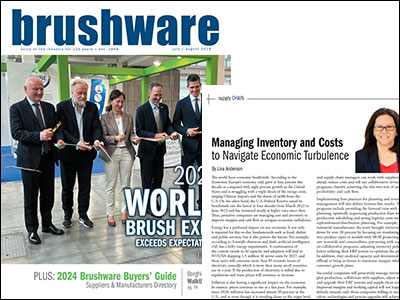
Heightened geopolitical and logistics risks are making it difficult for companies to successfully navigate evolving global supply chain conditions while keeping customer and EBITDA growth goals intact. According to DP World, 82% of supply chain leaders view geopolitical disruption as a major risk, yet only a quarter feel fully prepared.
In this Supply Chain Byte, Lisa Anderson explains why manufacturers must upskill their workforce not only to improve efficiencies and reduce low-level work done by highly skilled employees, but also to preserve critical knowledge as Baby Boomers retire.
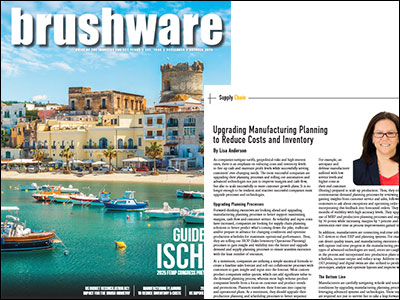
As companies navigate tariffs, geopolitical risks and high interest rates, there is an emphasis on reducing costs and inventory levels to free up cash and maintain profit levels while successfully serving customers’ ever-changing needs. The most successful companies are upgrading their planning processes and rolling out automation and advanced technologies.
Disruptions abound no matter the supply chain. Aerospace has been particularly hard hit. Boeing's issues have plagued them the entire year.
Although production and materials planning can be overlooked in its importance in most companies if going smoothly, it is cornerstone to success.
Production planning software is a manufacturing solution that helps you plan for and supervise essential workflows in the production process. Lisa Anderson gives her tips on what you should look for.
Lisa Anderson joined Food and Beverage Talk podcast to discuss supply chain challenges and opportunities in the food and beverage industry.
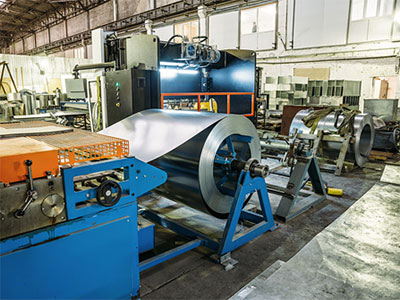
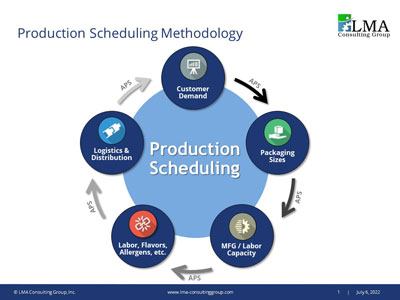
The best companies focus on production scheduling. Even though Production Schedulers aren't typically highly paid positions, the function will make or break your ability to serve customers, improve operational performance and accelerate cash flow. Thus, it should be a key priority if you want to achieve profitable growth.
Lisa Anderson was quoted in Supply Chain Dive on whether just-in-time (JIT) is sill relevant or has the world moved to just-in-case.