
909.630.3943

Medical products

The Impact of Fires

In this Supply Chain Byte, Lisa Anderson discusses two recent examples: a fire affecting a medical device distribution center and another involving a cold storage facility. Both highlight why manufacturers and distributors need more than a static plan.

Manufacturing in Space

In this Supply Chain Byte, Lisa Anderson discusses how microgravity is enabling unique manufacturing processes and why platforms such as Starship are designed with scale and industrial space applications in mind. For manufacturers, the message is clear: start thinking creatively about what may be possible as technology advances.

Medical Products Driving Manufacturing, Mining, and Construction

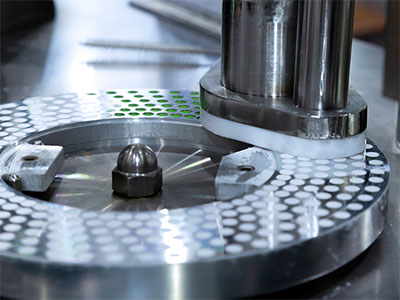
Medical products manufacturing is gaining momentum as companies want to build resilience to mitigate risk in the supply chain. Executives have realized that they must better control their end-to-end supply chain to ensure supply as geopolitical risks, vulnerabilities, and disruptions continue to arise while tariffs also push companies to build domestic capacity.

Strategic Partnerships in the Medical Supply Chain

As geopolitical, tariff, and other supply chain risks are causing concerns with offshoring strategies and the global sourcing perspective, companies are reviewing domestic alternatives. Companies are moving towards domestic and regional supply chains and preparing to scale manufacturing and the extended supply chains.

VMI Case Study to Drive Win-Win Customer & Supplier Results

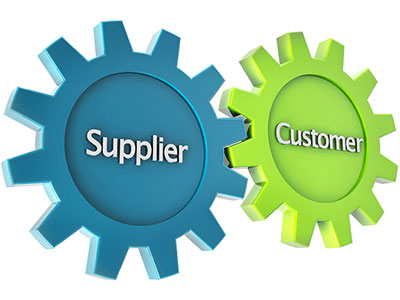
Taking your supplier / customer relationships to the next level of partnership is integral to supporting profitable growth with exceptional customer service and cash flow (ie. inventory turns) levels. Vendor managed inventory (VMI) can be integral to maximizing revenue/ service, profitability, and working capital.

Strategic Partnerships to Scale Domestic Production of Critical Items

In step change progress to depending on China (who has been unreliable in supplying critical minerals), a strategic partnership has been developed to replace this dependence for antibiotics. Not many companies can take over manufacturing of extended supply chains and scale up adequately. Thus, strategic partnerships can provide the resources and investments to scale and succeed.

The Future of Medical Device Supply Chains

Supply chains are evolving at a rapid pace as global risks increase. To achieve success with this transformation, companies must roll out advanced technologies and develop strategies to mitigate down-the-line risks and impacts such as access to critical minerals and energy.

Geopolitical Issues: Impacts on the Medtech Industry

Geopolitical risks and events happening around the globe can adversely impact medical device supply chains, creating delays, increasing costs, and causing other challenges for companies. Companies must pursue supply chain resiliency and additional strategies to succeed.

Proactive Strategies for Medtech Supply Chains

Companies are pursuing a global reconfiguration and reallocation of resources and upgrades to secure their medtech supply chains.

4 Keys to VMI Success

VMI (vendor managed inventory) is the process where the supplier manages the customer's inventory so that the customer has the "right" item in the "right" place at the "right" time to ensure high service levels, efficient and productive operations, and the least amount of inventory tied up unnecessarily. The best VMI programs ensure that the end-to-end supply chain gains with both the supplier and the customer achieving improved results or benefits.

Go to Top