



Supply chain disruptions have become a constant reality, fueled by geopolitical tensions, labor shortages, natural disasters, regulatory changes, and shifting customer demand. Organizations that rely on a single source of supply or fail to anticipate risk can quickly find themselves struggling to serve customers, maintain operations, and protect profitability.
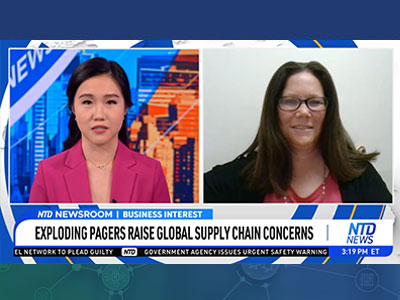
In this interview, Lisa Anderson discusses why supply chain risk management has become a strategic priority for executives. She explains how companies can strengthen resilience by assessing vulnerabilities, diversifying sources of supply, developing backup suppliers, evaluating reshoring and regional manufacturing opportunities, and implementing a robust SIOP (Sales Inventory Operations Planning) process. By taking a proactive approach, organizations can better anticipate disruptions, respond faster to changing conditions, and position themselves for long-term success.
What Should We Learn?
Supply chain risk is no longer an occasional concern—it has become a permanent part of doing business. Whether the disruption stems from geopolitical tensions, trade disputes, labor shortages, natural disasters, cyber threats, or supplier failures, companies must be prepared to respond quickly and effectively.
One of the biggest lessons learned in recent years is that organizations often lack visibility beyond their immediate suppliers. Yet many disruptions originate deeper within the supply chain. Companies should assess their end-to-end supply chains, understand critical dependencies, and identify potential vulnerabilities before a disruption occurs. Waiting until a crisis emerges is often too late.
Another important lesson is that resilience requires options. Organizations should evaluate opportunities to diversify sources of supply, qualify backup suppliers, and consider reshoring, nearshoring, or regional manufacturing strategies where appropriate. While these approaches may not eliminate risk, they can significantly reduce exposure and improve business continuity.
Equally important is implementing a strong SIOP (Sales Inventory Operations Planning) process. Companies that effectively align demand, supply, inventory, capacity, and financial plans are far better positioned to anticipate disruptions and proactively respond to changing market conditions. SIOP provides the structure needed to evaluate scenarios, identify risks, and make informed decisions before issues impact customers. To learn more about how to implement SIOP, refer to our eBook.
The companies that will thrive in the years ahead will not be those that avoid disruption. They will be the organizations that build resilient supply chains, develop contingency plans, leverage data and technology effectively, and remain agile enough to adapt as conditions evolve.
One Tip to Implement This Week
Identify your top five supply chain risks and evaluate whether you have a documented mitigation strategy for each one. If a critical supplier, transportation lane, or manufacturing location were disrupted tomorrow, would you know exactly how to respond? If not, now is the time to develop a contingency plan before it becomes necessary.
Did you like this article? Continue reading on this topic:
Using SIOP to Drive Revenue, Margin, & Working Capital Predictability & Improvement