

909.630.3943

Trade Policy & Global Flows

Trade policy, tariffs, and global transportation networks continue to reshape sourcing, logistics, and supply chain performance. Explore strategies for navigating changing regulations, freight market shifts, port congestion, shipping disruptions, and evolving global trade flows. Learn how manufacturers and distributors leverage Supply Chain PlanningNetwork Strategy & Optimization, and Risk & Resilience to improve supply continuity, manage transportation risk, protect profitability, and adapt to changing global market conditions.
Tariffs and Trade: What Manufacturers Should Expect Next

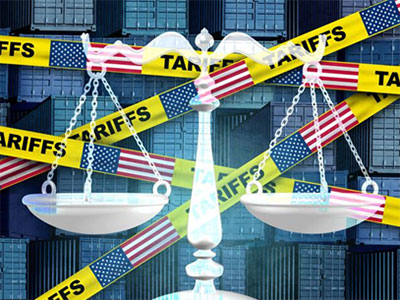
Tariffs have become a long-term reality for manufacturers and supply chain leaders. This briefing recaps the key trade policy milestones, explains where U.S. tariffs stand today, examines the latest developments with China, and outlines practical strategies to reduce risk, improve resilience, and position for profitable growth.

Trucking Challenges: Why Manufacturers Need Options

Freight rates are increasing as transportation capacity tightens. Lisa Anderson explains what's driving the changes and shares strategies manufacturers can use to build a more resilient, predictable, and profitable supply chain.

An E.U. Supply Chain Perspective

Lisa Anderson and Patrick Daly discuss the U.S.–E.U. trade agreement, geopolitical risk, rightshoring, automation, and regional manufacturing strategies, offering practical insights into how global supply chains are evolving and what manufacturers and distributors should consider next.

U.S. and E.U. Trade Agreement

In this Supply Chain Byte, Lisa Anderson discusses the finalized trade deal, including the U.S. tariff on E.U. goods, the E.U.’s elimination of most tariffs on U.S. goods, expanded access for agricultural products and significant investment and purchase commitments. Companies must strengthen SIOP and capacity planning to scale successfully, protect margins, and take advantage of what is coming.

Tariffs, Trade Deals & Supply Chain Strategy

Although the Supreme Court ruling changed how tariffs are implemented, it did not eliminate them. With new trade agreements taking shape and additional negotiations underway, manufacturers and distributors should focus on strengthening supply chain resilience, profitability, and flexibility to navigate the evolving trade environment.

Transportation Trends and Opportunities as Supply Chains Reshape

As supply chains reshape with changing geopolitical and trade conditions, transportation evolves. Transportation and goods movement systems remained largely intact, yet as supply chain networks evolve and artificial intelligence (AI) takes hold, transportation infrastructure and related networks will transform to provide superior customer value in an efficient and profitable manner.

SoCal Clean Air Rule – Has it worked?

Lisa Anderson, a supply chain expert and founder of the LMA Consulting Group, explains to The Press-Enterprise that Rule 2305 (The Warehouse Indirect Source Rule), designed to help erase airborne toxins linked to many health threats, is seen as burdensome and costly by warehouse owners and operators.

Goods Movement & Transportation

In this Supply Chain Byte, Lisa Anderson discusses what is happening across trucking, package shipping and ocean freight - and why understanding demand and supply dynamics within transportation is critical to maintaining profitability and success.

Tariff Update

In this Supply Chain Byte, Lisa Anderson explains what the ruling means, provides historical context on tariffs and outlines what manufacturers should be thinking about now to protect profitability and remain competitive.

Your Tariffs Playbook & Path Forward in Supply Chain

Tariffs continue to cause great stress in the financial markets and with certain industries. In fact, it divides manufacturers from distributors, logistics, and goods movement industries largely dependent on imports and trade.

Go to Top