

909.630.3943

Trade Policy & Global Flows

Trade policy, tariffs, and global transportation networks continue to reshape sourcing, logistics, and supply chain performance. Explore strategies for navigating changing regulations, freight market shifts, port congestion, shipping disruptions, and evolving global trade flows. Learn how manufacturers and distributors leverage Supply Chain PlanningNetwork Strategy & Optimization, and Risk & Resilience to improve supply continuity, manage transportation risk, protect profitability, and adapt to changing global market conditions.

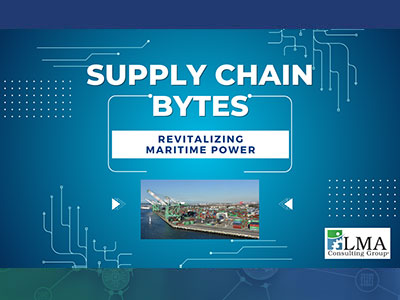
Revitalizing Maritime Power

The maritime industry is at the heart of global trade—but underinvestment and aging infrastructure have strained its reliability. In this Supply Chain Byte, Lisa Anderson, President of LMA Consulting Group, explores why it is important to revitalize maritime power and the initiatives underway.

Tariff Impact on Supply Chains: How Shortages and Rising Costs Are Unfolding

Before Trump took office, let alone announced or implemented his tariffs plan, many major companies brought in extra inventory of products to the US in an attempt to mitigate the impact of potential tariffs, but the buffer will run out soon.

Southern California Faces Logistics Shift Under Tariffs

If you have domestic production and you’re going to move products into Southern California because you want to supply customers here, you do have a choice.

Tariffs, Trade Wars, and the Inland Empire’s Economic Future

Tariffs continue to create uncertainty across global supply chains, logistics networks, and regional economies. As companies assess the implications of escalating trade tensions with China, questions have emerged about the potential impact on warehousing, transportation, employment, and manufacturing investment throughout the Inland Empire. While concerns remain about short-term disruption [...]

Energy: Fueling Our Future

In this Supply Chain Byte, Lisa Anderson, President of LMA Consulting Group, highlights why energy is at the core of everything in supply chain and manufacturing. From powering automation and AI to driving production and logistics, energy access and strategy are critical to growth. As demand soars, companies must rethink how they plan, invest and prepare for the energy needs of tomorrow.

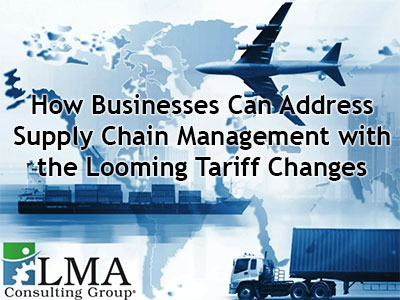
How Businesses Can Address Supply Chain Management with The Looming Tariff Changes

The most important strategy to minimize the impact of sudden tariff changes is to create a resilient supply chain. Addressing tariffs requires a short-term and long-term strategy. In the short term, you must stay ahead of changing conditions, enhance your supply chain visibility so that you know the origin and risks of your end-to-end supply chain and be ready to move rapidly.

De Minimis Exemption: Impact on E-Commerce & Supply Chains

The de minimis exemption disrupts e-commerce, leading businesses to rethink tariffs, logistics, and sourcing strategies for supply chain stability.

U.S.-China Tariff Battle: Impacts, Strategies, and the Future of Supply Chains

The U.S.-China tariff impact is reshaping supply chains. Businesses must adapt with reshoring, diversification, & regional strategies to stay competitive.

The Manufacturing & Logistics Boom: Are You Ready?

Massive investments are pouring into manufacturing and logistics, from shipping terminals to supply chain infrastructure. But what does this mean for your business? In this Supply Chain Byte, Lisa Anderson breaks down how these investments will fuel explosive growth—and what companies must do now to prepare for the surge. Don't get left behind—watch now!

Integrated Supply Chains in Automobile and Aerospace Sectors

"Canada and Mexico have integrated supply chains with the U.S. in the automobile and aerospace sectors," Lisa said. "Although I think there might be short term impacts, I don’t think there will be significant tariffs over the medium/long-term."

Go to Top