AI: From Insights to Execution
In this Supply Chain Byte, Lisa Anderson discusses how AI is being integrated into real supply chain operations. Learn why strong data, processes, and integrated systems are essential to achieving results.



In this Supply Chain Byte, Lisa Anderson discusses how AI is being integrated into real supply chain operations. Learn why strong data, processes, and integrated systems are essential to achieving results.
Learn why successful business transformation depends on leadership, process design, and technology enablement—not just project management or software implementation.
Learn how order management and commercial integration connect customer demand with operations to improve service, scalability, and predictable revenue.
Lisa Anderson has been featured in TechTarget, sharing her insights on why customised change management—not generic communications—is essential for successful ERP implementations.
Manufacturing is gaining momentum, creating significant opportunities for companies prepared to scale. Learn how to strengthen demand planning, assess end-to-end capacity, leverage technology strategically, and position your business for profitable growth.
ERP upgrades are about more than technology—they require strong leadership, user engagement, and effective change management. Discover practical strategies for improving ERP implementation success and maximizing the value of your investment.
Tariffs have become a long-term reality for manufacturers and supply chain leaders. This briefing recaps the key trade policy milestones, explains where U.S. tariffs stand today, examines the latest developments with China, and outlines practical strategies to reduce risk, improve resilience, and position for profitable growth.
Modern ERP is about more than software. In this Supply Chain Chats episode, Lisa Anderson and David Ogilvie discuss AI, systems integration, best-of-breed solutions, and how manufacturers can build a flexible technology strategy that supports long-term growth and operational performance.
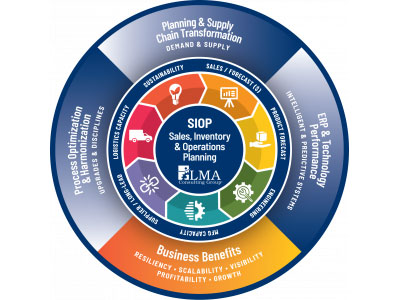
Successful SIOP goes far beyond forecasting and monthly meetings. Lisa Anderson explains how connecting people, processes, and decisions across the enterprise creates one version of the truth, enabling manufacturers to improve predictability, agility, profitability, and long-term scalable growth.
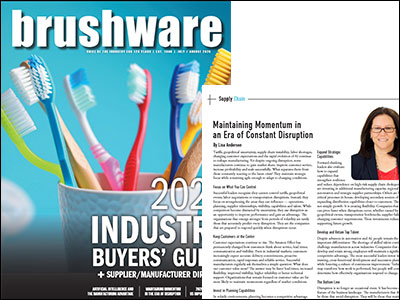
Manufacturing leaders can no longer wait for disruption to pass. Learn how leading manufacturers are responding to tariffs, geopolitical risk, AI, labor shortages, and changing customer expectations by strengthening planning, building resilient supply chains, leveraging technology strategically, and investing in the people and capabilities that drive long-term profitable growth.