



Innovation is often associated with breakthrough products and emerging technologies. However, some of the most impactful innovations come from improving processes, developing employees, and creating a culture of continuous improvement. Organizations that consistently focus on operational excellence often achieve significant gains in productivity, profitability, and employee engagement.
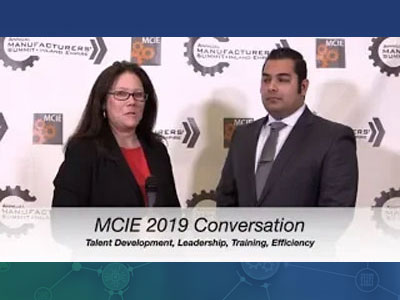
In this interview from the Manufacturers Council of the Inland Empire Innovation Awards, I speak with the Ingram Micro team about their award-winning process and resource efficiency initiatives. Through Lean projects, leadership development, and employee engagement, Ingram Micro generated more than $1 million in savings while creating a stronger foundation for future growth. Their story demonstrates how innovation and continuous improvement can work together to drive measurable business results.
What Should We Learn?
Innovation does not always require a breakthrough product or a revolutionary technology. In many cases, the greatest opportunities come from improving existing processes, eliminating waste, and empowering employees to think differently about how work gets done. Ingram Micro’s success demonstrates that operational excellence and innovation go hand in hand.
One of the most important takeaways from this discussion is the value of investing in people first. Before launching process improvement initiatives, Ingram Micro focused on developing its leadership team and building the skills needed to sustain continuous improvement. Too often, companies invest in tools, technology, or Lean programs without first creating the foundation required for success. As Ingram Micro demonstrated, leadership development and employee engagement are critical enablers of long-term results.
The company’s Lean journey also highlights the power of continuous improvement. Through 33 Lean projects, Ingram Micro generated more than $1 million in savings while reducing unnecessary travel, eliminating waiting time, and improving operational efficiency. These improvements not only enhanced performance but also created the flexibility to address rising labor costs while continuing to grow the business.
Perhaps most importantly, reducing day-to-day firefighting allowed leaders to focus on strategic thinking, innovation, and future opportunities. Instead of constantly reacting to operational challenges, they were able to spend more time identifying ways to improve processes, engage employees, and drive business results.
One Tip to Implement This Week
Identify one recurring operational frustration that consumes time, creates delays, or requires frequent management intervention. Bring together the people closest to the process, map the current workflow, and challenge the team to eliminate at least one source of wasted effort. Small improvements compound over time and often create the momentum needed to achieve significant operational and financial results.
Innovation is often associated with breakthrough products and emerging technologies. However, some of the most impactful innovations come from improving processes, developing employees, and creating a culture of continuous improvement. Organizations that consistently focus on operational excellence often achieve significant gains in productivity, profitability, and employee engagement.
In this interview from the Manufacturers Council of the Inland Empire Innovation Awards, I speak with the Ingram Micro team about their award-winning process and resource efficiency initiatives. Through Lean projects, leadership development, and employee engagement, Ingram Micro generated more than $1 million in savings while creating a stronger foundation for future growth. Their story demonstrates how innovation and continuous improvement can work together to drive measurable business results.