

909.630.3943

Supply Chain Planning

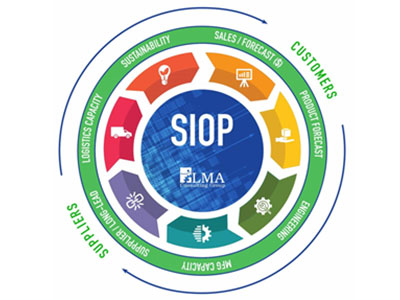
Supply Chain Planning provides the integrated framework to align demand, supply, capacity, production, inventory, and distribution, enabling predictable revenue fulfillment, superior customer service, resilient operations, and profitable growth. Explore insights on SIOP (Sales Inventory Operations Planning), demand planning, capacity and resource planning, production and materials planning, inventory planning, and network strategy. Learn how manufacturers and distributors leverage integrated planning, technology enablement, data, and analytics to improve visibility, optimize working capital, resolve constraints, and execute with confidence.

How to Avoid Supply Chain Disasters: Inc. From the Ground Up

Lisa Anderson, a supply chain expert and consultant who founded LMA Consulting Group, says projecting future demand is paramount when facing a demand surge.

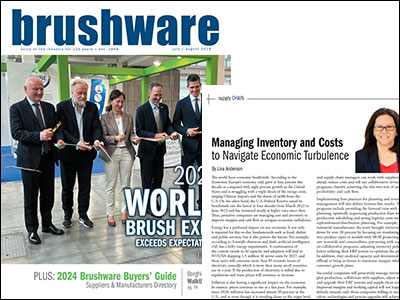
Managing Inventory and Cost to Navigate Economic Turbulence

The world faces economic headwinds. According to the Economist, Europe’s economy only grew at 4% this decade as compared with 8% of the United States and is struggling with a triple shock of the energy crisis, surging Chinese imports, and the threat of tariffs from the United States.

Supporting Medtech’s Growth: Scaling & Mitigating Risk in the Supply Chain

The medical device market is expected to grow by almost $178 billion from 2023 to 2027 according to Technavio. Moreover, a Fortune Business Insights Analysis estimates the market to reach $799 billion by 2030. With such significant growth, manufacturing and supply chains must scale and mitigate risk to ensure supplies to customers and patients.  

UPS Wins USPS Business with Regional Approach

According to UPS's CEO, UPS’ network flexibility gave it an edge over FedEx in landing a deal with the U.S. Postal Service. Instead of following a hub-and-spoke model to service the USPS, UPS can use its regional gateways to support the local and regional requirements of the USPS customers.

What is Your Demand Plan? Sales Strategies for Success

Sales strategies and customer programs are pivotal to developing a demand plan in support of sales revenue growth goals. SIOP (Sales Inventory Operations Planning) will translate these sales forecasts into operations and supply plans for review with cross-functional teams to ensure the sales plans are fulfilled successfully and efficiently.

How Do You Rate in Supply Chain?

Clients typically set goals; however, goals without an understanding of where you stand is non-value added. Although it is common to set goals and expect employees to achieve them, it is far less common for clients to understand how they will get from the current state to the desired future state.

Why Planning Is Impacted As Disruptions Abound

Disruptions have not stopped. China has been flying balloons over Taiwan. North Korea is threatening South Korea. Russia continues its war with Ukraine. Israel is at war with Hamas [...]

Master Scheduling & Production Planning Case Study: Gaining Visibility for Results

Although production and materials planning can be overlooked in its importance in most companies if going smoothly, it is cornerstone to success.

Proactive Approach to Maximizing Production Output & Capacity

Clients are struggling to keep up with customer's changing requests. Order backlogs remain relatively high (depending on the industry), but customers are pushing orders out at the last minute, pulling orders in without notice, adding future potential orders, and changing requirements on the fly. Production is scrambling to keep up.

The Power of SIOP / S&OP in Fueling Profitable Growth

In the last month, clients have been proving the critical importance of SIOP (Sales Inventory Operations Planning), also known as S&OP or IBP (Integrated Business Planning) time and again.

Go to Top