

909.630.3943

Supply Chain Planning

Supply Chain Planning provides the integrated framework to align demand, supply, capacity, production, inventory, and distribution, enabling predictable revenue fulfillment, superior customer service, resilient operations, and profitable growth. Explore insights on SIOP (Sales Inventory Operations Planning), demand planning, capacity and resource planning, production and materials planning, inventory planning, and network strategy. Learn how manufacturers and distributors leverage integrated planning, technology enablement, data, and analytics to improve visibility, optimize working capital, resolve constraints, and execute with confidence.
Do You Need Software to be Successful with S&OP?

As clients become interested in S&OP (Sales & Operations Planning), also known as SIOP (Sales, Inventory, and Operations Planning) to get in front of customer requirements while simultaneously increasing margins and profits, executives want to know if software is required to support S&OP success.

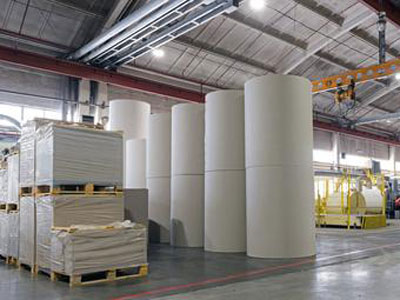
Material Planning Best Practices to Proactively Manage Cost & Service

Since the pandemic, it has been a constant battle to ensure material availability, let alone to proactively manage cost and service. Even the most proactive and successful clients have experienced brief shortages of key materials and extended lead-times. The rest have been plagued with these issues.

Getting Ahead of Inflationary and Deflationary Pressures Using SIOP / S&OP

Because we live in a global, supply chain disrupted world amidst record-breaking prices for food, commodities and oil (and all products dependent on these industries), not only are businesses looking to navigate inflationary pressures, but also deflationary pressures. Inflation can lead to deflation as consumers panic and demand softens.

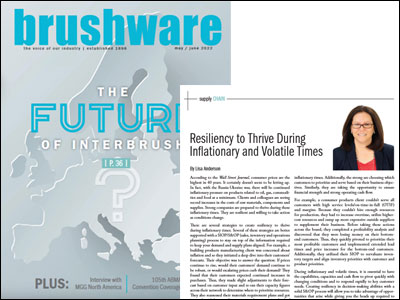
Resiliency to Thrive During Inflationary & Volatile Times

According to the Wall Street Journal, consumer prices are the highest in 40 years. It certainly doesn’t seem to be letting up. In fact, with the Russia-Ukraine war, there will be continued inflationary pressures on products related to oil, gas, commodity, and food at a minimum.

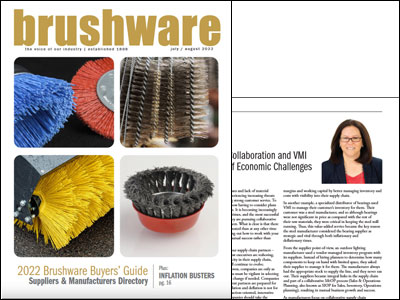
Resort Trades: Inflation Busters: Protecting Profits As Costs Keep Rising

Lisa Anderson, Manufacturing and Supply Chain Expert and President of LMA Consulting Group, talks about the coming months and keeping an eye on cash balance."Proactively managing cashflow is critical right now".

Inflation Busters: Protecting Profits As Costs Keep Rising

Inflation has taken root. Businesses everywhere are dealing with annualized cost increases of nearly seven percent--the fastest pace in 40 years and significantly higher than the 1.8 percent average of the past decade. The resulting upticks in operating costs can cause serious damage to the bottom line.

Replenishment Planning Best Practices to Improve Service Levels, Logistics Efficiencies, and Inventory Turns

Every client wants to support growth goals while improving service levels (OTIF, on-time-in-full), operational efficiencies and inventory turns. These are timeless objectives for every planner. During the pandemic, the priorities shifted to service levels because clients struggled to keep up with dramatic increases in demand and extreme volatility.

What Is S&OP (also known as SIOP) & Why Should We Care?

We are thrilled to introduce our S&OP webpage with everything you need to know about Sales and Operations Planning (also known as SIOP, Sales, Inventory and Operations Planning or IBP, Integrated Business Planning). You'll find sections: What is S&OP? How do you benefit from SIOP? Why implement SIOP? Client [...]

Proactive Planning to Grow & Scale

Clients and colleagues are seeing record increases in sales revenues and pricing. There are several operational and supply chain priorities required to be ready to absorb additional sales. A critical priority includes SIOP (Sales Inventory Operations Planning).

Q&A: Why Implement S&OP / SIOP?

In today’s manufacturing environment, uncertainty has become the norm. Geopolitical disruption, inflation, changing customer expectations, labor shortages, and volatile demand patterns are forcing manufacturers and distributors to make faster and more coordinated decisions than ever before. Companies that continue operating in reactive silos frequently struggle with excess inventory, [...]

Go to Top