

909.630.3943

Supply Chain Planning

Supply Chain Planning provides the integrated framework to align demand, supply, capacity, production, inventory, and distribution, enabling predictable revenue fulfillment, superior customer service, resilient operations, and profitable growth. Explore insights on SIOP (Sales Inventory Operations Planning), demand planning, capacity and resource planning, production and materials planning, inventory planning, and network strategy. Learn how manufacturers and distributors leverage integrated planning, technology enablement, data, and analytics to improve visibility, optimize working capital, resolve constraints, and execute with confidence.
SIOP/ Integrated Business Planning

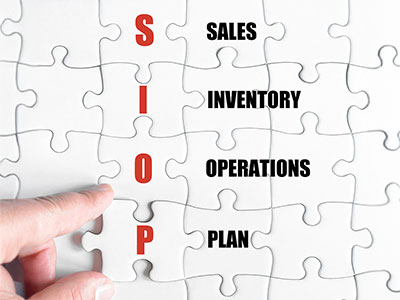
Manufacturing and distributing product to meet customer demand can be like a puzzle unless you start using SIOP as a core process to run your business. SIOP (sales, inventory, & operations planning) taken to the best practice degree is often associated with integrated business planning. In some circles, [...]


Should We Always Aim to Reduce Inventory Levels?

Though reducing inventory is generally advisable special situations arise when stocking inventory makes good business sense.

Slashing Lead Times to Counter the ‘Amazon Effect’

Must you compromise quality for speed? Reducing lead time will increase customer satisfaction and avoid the Amazon Effect.

Manufacturers See Critical Importance of Collaboration

According to a recent KPMG survey on the Global Manufacturing Outlook, executives are thinking about innovation. 81% are altering their business models to to encourage collaboration with customers, suppliers and other partners to "improve the value of their innovation investments". Speed is critical. Thus, a key question is how [...]

Where Should I Start to Ensure Demand Planning Success?

It’s easy to feel lost when you have no direction from customers about their own sales projections. Get a clearer picture through demand planning.

Your Customer Comes 1st

No matter what your company objectives, you must understand your customer.

Go to Top