Strategy Isn’t Long Term!
As I meet with countless CEOs and P&L leaders at clients, via connections, at speeches etc., I pay attention to what is top of mind. Strategy is always top of mind for the most successful business leaders!



As I meet with countless CEOs and P&L leaders at clients, via connections, at speeches etc., I pay attention to what is top of mind. Strategy is always top of mind for the most successful business leaders!
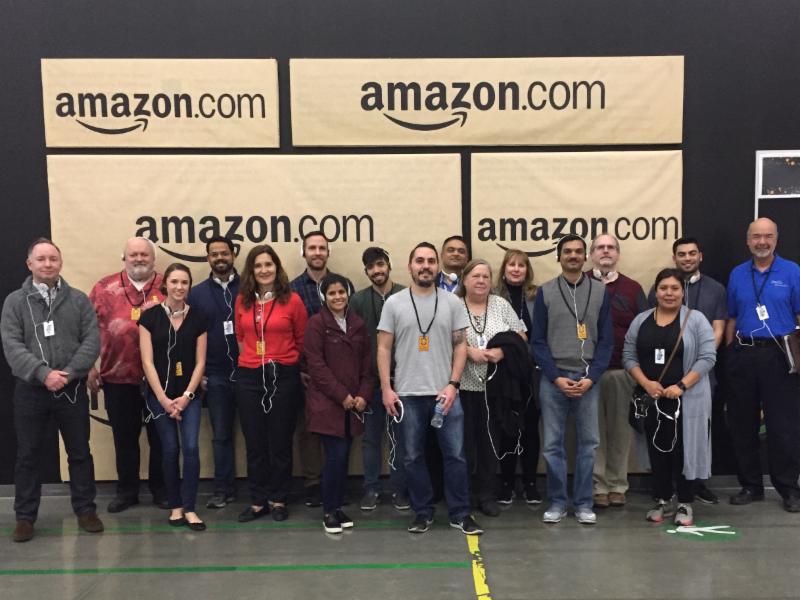
The Amazon Effect remains top of mind with CEOs. Whether they compete directly (which is less than 1% with my clients), supply or distribute for Amazon (which is a slightly higher percentage) or are just impacted by the Amazon Effect, it is a major source of concern and/or opportunity.
According to CFO Magazine, Amazon's profit doubled to a record $3.6 billion in the first quarter yet reported its lowest growth rate in quarterly revenue since 2015.
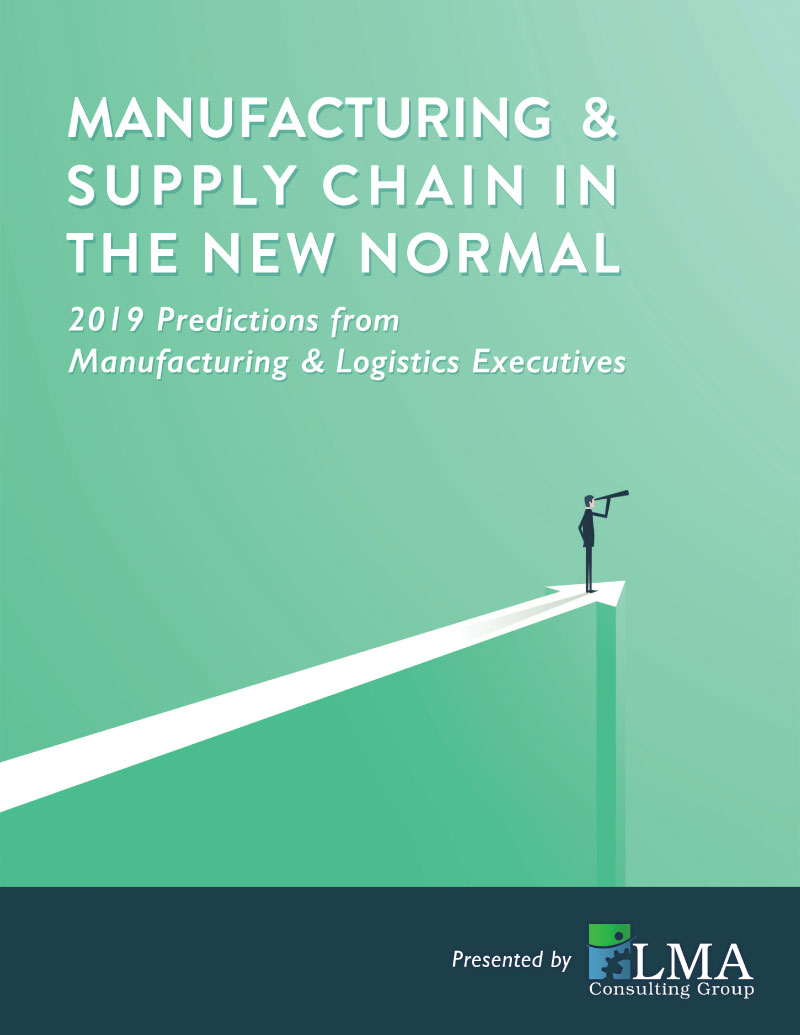
Earlier this year, LMA released a report, “Manufacturing & Supply Chain in the New Normal”, that includes insight from a number of industry experts and executives on current trends in logistics and supply chain management.
According to Good Morning America, Amazon is adding in-garage delivery options to its already vast array of delivery options - in-home and in-car.
Following the MCIE Manufacturing Summit and Innovation Awards, Lisa Anderson and Diane Garcia discuss the trends shaping the future of manufacturing. From rising customer expectations and the Amazon Effect to data-driven decision-making, workforce development, supply chain resilience, and SIOP, they explore how manufacturers can build agility and position themselves for long-term success.
Economic volatility and uncertainty are the new normal. Instead of lamenting, manufacturers have a unique opportunity. There has never been a better time to stand out from the crowd with a superior customer experience amidst the chaos.
Understanding Amazon's role in disrupting supply chain practices, from marketplace shifts to container shipping innovations.
From a focus on ever-changing customer needs and increased expectations driven by the Amazon-effect to tight labor and transportation markets and responding to rapid growth, the outlooks and attitudes are positive.
There can be significant value and strategic advantage created in collaborating with unlikely partners if there are clear objectives, trust and an open mind.