

909.630.3943

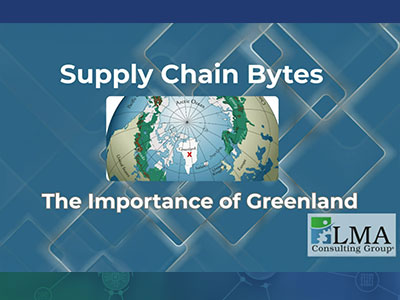
geopolitical risk

Medical Products Driving Manufacturing, Mining, and Construction

Medical products manufacturing is gaining momentum as companies want to build resilience to mitigate risk in the supply chain. Executives have realized that they must better control their end-to-end supply chain to ensure supply as geopolitical risks, vulnerabilities, and disruptions continue to arise while tariffs also push companies to build domestic capacity.

Supply Chain: Smoothing Out or Something Else?

Supply chains are plagued with geopolitical, cyber and supply chain risks. Companies have been focused on building resiliency and efficiency; however, as important as it is to be agile and profitable, it is no longer enough. Forward-looking companies are focusing on predictability, scalability, and customer value.

Geopolitics Impacting Supply Chain Networks

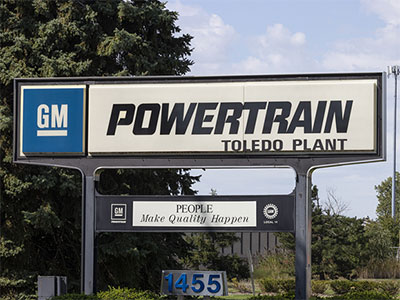
Geopolitics have been driving significant changes in supply chains. For example, stemming from the China threat, GM has just announced that it wants parts makers to pull supply chains from China. As supply chains evolve, it creates an expansive effect. As companies evaluate supply chain network changes, there are many items to take into account

What’s Trending in Manufacturing

What's trending in manufacturing was highlighted at the Valve Manufacturers Association (VMA) Annual Meeting. From discussions on utilizing AI to what's trending in water, data centers, geopolitics, supply chain and foundries, we provide highlights, stats, and implications for the future of manufacturers and extended supply chains.

Geopolitical Issues: Impacts on the Medtech Industry

Geopolitical risks and events happening around the globe can adversely impact medical device supply chains, creating delays, increasing costs, and causing other challenges for companies. Companies must pursue supply chain resiliency and additional strategies to succeed.

Navigating Vulnerabilities and Tariff Impact with Supply Chain Resiliency

Since tariffs went into effect, supply chain vulnerabilities have been exposed. We are in a global supply chain with wildly varying levels of risk and exposure depending on the country of origin, product composition and each specific company's strategy.

Resiliency of Paramount Importance for Supply Chain Success

As geopolitical unrest, natural disasters, and shifting trade policies upend global logistics, resilient companies are transforming their supply chains to gain competitive advantage and ensure growth.

Planning Around Chokepoints

The Strait of Hormuz is a geopolitical chokepoint — and a critical reminder of why advanced supply chain planning is non-negotiable. In this Supply Chain Byte, Lisa Anderson highlights the ripple effects that disruptions in this narrow strait can cause and how strategic planning, risk assessment and scenario modeling help companies stay ahead.

Israel-Iran War, Supply Chain Impacts & Strategies

Israel and Iran had an escalating 12-day war with the U.S. getting involved by bombing Iran's main nuclear facility. Although a cease fire has been negotiated, tensions remain high in the Middle East.

Global Risks in the Supply Chain

Global events—from geopolitical tensions to cyber events—can shake even the strongest supply chains. In this Supply Chain Byte, Lisa Anderson, President of LMA Consulting Group, shares why leaders must actively monitor risk at every point in their global supply chain and take steps to proactively prepare for disruption. If you're still managing risk reactively, this is your wake-up call.

Go to Top