Robots Taking on Pharmaceuticals & Food?
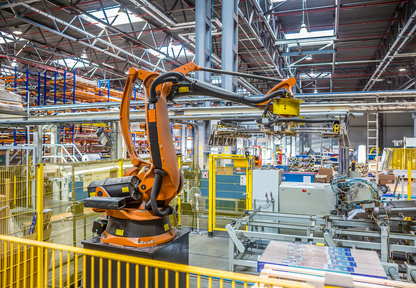
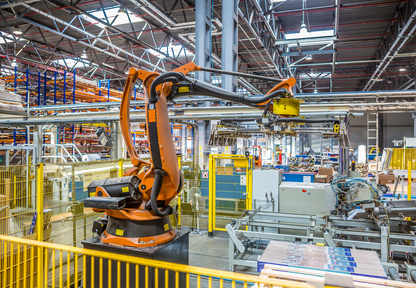
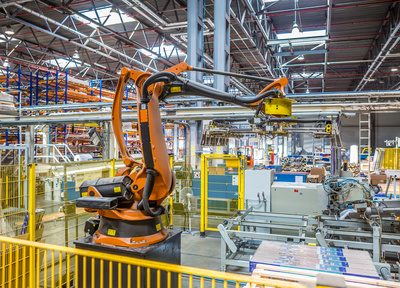
According to the Wall Street Journal, robots are taking on pharmaceuticals and food preparation.



According to the Wall Street Journal, robots are taking on pharmaceuticals and food preparation.
Which of these technologies should we pay attention to? Let's look at some of the more popular ones.
At the Southern California Supply Chain and Logistics Summit conference, there were several keynote speakers from industry icons such as Amazon, UPS, Union Pacific and more. One might expect quite a lot of interesting insights into the latest supply chain trends yet the most common theme among the presentations tied back to the skills gap.
Robots shouldn't be viewed as a hammer. Think about what you need to accomplish and evaluate robots as one tool / solution to a business issue.
There has certainly been a lot of conversation about the potential tax law changes! Michael Kouyoumdjian, managing shareholder of RP&B CPAs did a great job of going through the potential changes and impacts in a discussion with trusted advisers to manufacturers and distributors.
Lisa Anderson shares strategies for leveraging technology in the supply chain for heightened efficiency and success.
Autonomous vehicles for all intensive purposes are "here". It will take some time with testing and regulations but there will be interesting impacts when considering some of the issues that plague transportation today.
Emerging technologies in supply chain from e-commerce to robotics are more important now than ever.
According to Industry Week and Moody's Investor Service, there could be a significant upside to robots with the near-term demographic time bomb in Japan and Germany.
According to the Material Handling & Logistics, robots are slashing U.S. wages and worsening pay inequality. That is certainly a provocative statement! According to new research by MIT's Daron Acemoglu and Boston University's Pascual Restrepo, one additional robot per thousand workers reduces the employment to population ratio from .18 percentage points to .34 percentage points and slashes wages from .25% to .5%.