

Baltimore Bridge Collapse Impact on Economy
NTD TV in New York interviewed Lisa Anderson about the Baltimore Bridge Collapse the Supply Chain Impact to discuss the economic impact.
When supply chains run smoothly, the economies they support do too. But when even the smallest disruption occurs, supply chains can quickly turn into the equivalent of a daisy chain — where one event sets off a cascading impact down the entire logistics value chain. Experts fear that this [...]
The closure of the Port of Baltimore this week could have far-reaching implications all the way across the country for the ports of Los Angeles and Long Beach, according to several experts including Lisa Anderson of LMA Consulting Group.
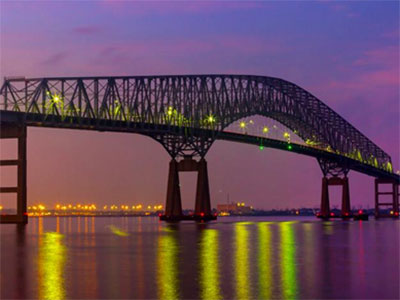
The Francis Scott Key Bridge now lies partially submerged in the Patapsco River after a catastrophic cargo ship collision this week. Here’s how the Key Bridge collapse may affect the port’s operation.
Lisa Anderson emphasizes the profound and wide-ranging impacts on global supply chains. The bridge’s destruction not only disrupts local traffic and logistics but also sends shockwaves through international trade routes, highlighting the critical need for robust supply chain resilience strategies.
Horribly, a container ship collided with the Francis Scott Key Bridge, and much of the bridge collapsed. From a supply chain point of view, it has caused significant near-term impacts and extended disruptions in the region.
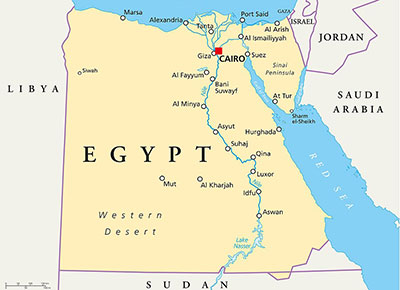
The Baltimore disaster is expected to further compound the stress already placed on the global freight system. “Container shipping traffic has already been quite disrupted, because of the drought going on in the Panama Canal–ships from there [are] going through the Suez Canal to come to the east coast of the U.S. from Northeast Asia,” says Lisa Anderson.
This is how companies deal with the Red Sea crisis: planes, storage, and closest suppliers.
The recent turmoil in the Red Sea, triggered by Houthi drone and missile attacks, has significantly amplified risks in global shipping, particularly affecting the Suez Canal and Red Sea routes.
Supply chain disruptions are nothing new for the shipping industry. The COVID-19 pandemic presented an unprecedented challenge for the industry. Lisa Anderson comments on the disruptions arising from the current Houthi attacks in the Red Sea and the implications.