

909.630.3943

Regionalization, Reshoring & Network Strategy

Regionalization, reshoring, and network strategy help organizations build more resilient, cost-effective, and agile supply chains. Explore strategies for optimizing sourcing, manufacturing, distribution, and logistics networks to improve service, reduce risk, and respond to changing customer and market demands. Learn how manufacturers and distributors leverage Supply Chain Planning, Network Strategy & Optimization, and Risk & Resilience to strengthen supply continuity, improve scalability, protect profitability, and position their supply chains for long-term competitive advantage.
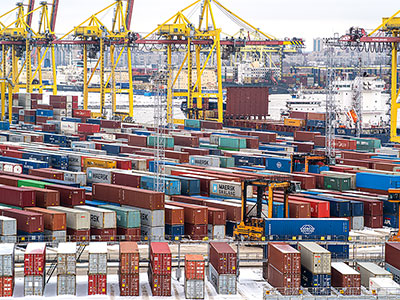
West Coast Ports are Losing Volume: What Are the Successful Doing

According to PMSA (Pacific Merchant Shipping Association), the five big West Coast ports have lost volume - 702,083 fewer loads and empties were handled in January and February 2023 than in the same period pre-pandemic in 2019. This equates to close to a 16% reduction. Specifically, the Port of Long Beach was off by 18.7% from January 2019 [...]


Take Control of Your Manufacturing to Wrestle Volatility to the Ground

Manufacturing leaders can't afford to react to disruption—they must take control. Learn how reshoring, nearshoring, strategic sourcing, technology, and SIOP can build a more resilient manufacturing operation prepared for continued volatility.

Proactive Approach to Navigating Transportation Woes

Transportation has been in chaos since the pandemic. It started with logjams at the ports that persisted for multiple years, continued with atypical events such as the ship getting stuck in the Suez Canal and truckers blocking the border of US and Canada, and continues to rage on with labor shortages across the board in rail, trucking, and all transportation sectors.

Status of Healthcare Supply Chains

Since I was preparing for a meeting related to healthcare supply chains, I dug deep into the topic and thought it would be valuable to share the findings. In reviewing baby Tylenol /Motrin to adult diapers to medtech and pharmaceticals, supply chain disruptions have eased in some areas [...]

West Coast Ports Diminishing Volume

According to the The Journal of Commerce, the West Coast ports are losing volume. The West Coast share of imports coming from Asia is down from 61.1% in 2021 to 58.8% in 2022 while the East Coast and Gulf Coast ports rose. According to the JOC, the ILWU contract negotiations are causing this change although there are concerns about drayage and rail as well.

Sports Business Journal: Economic headwinds: Supply chain, inflation create liquidity issues for Daktronics; strong order sheet forecasts smoother sailing

Lisa Anderson was quoted in the Sports Business Journal about reshoring and the investment in domestic manufacturing and the importance to the future.

Austin, It’s Skyline & Manufacturing Hub

Geopolitical risk and supply chain disruptions are accelerating the manufacturing renaissance. Learn why companies are reshoring, nearshoring and expanding manufacturing capacity closer to customers to strengthen resilience and mitigate risk.

Taking Control: Reshoring, Nearshoring, Friendly Shoring & Manufacturing Expansion

Geopolitical volatility, energy constraints, natural disasters and supply chain disruptions are reshaping the global landscape. Learn why manufacturers should accelerate reshoring and nearshoring, strengthen supply chain resilience and invest in the capabilities required to thrive.

Why Manufacturing Drives Resiliency

Global volatility and supply chain disruptions are reinforcing the need for greater control over manufacturing. Learn how reshoring, nearshoring, strategic capacity and stronger supply networks can improve resilience and position companies for future opportunities.

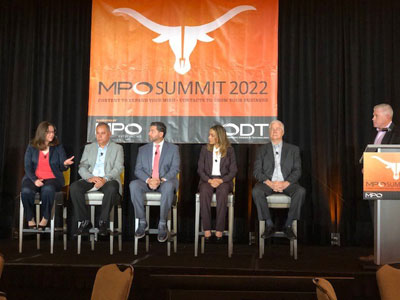
MPO Summit Shifting Manufacturing: Is Nearshoring the Answer for Medtech?

Lisa Anderson participated on a panel discussion to discuss nearshoring in the Medtech industry with Steven A. Colantuoni, Director of Corporate Marketing, The Central American Group, Yarisol Lopez, Deputy Executive Director, National Free Zones Council of the Dominican Republic, and Carlos Wong, Managing Director, Coyol Free Zone (Costa Rica).

Go to Top