The Resilient Supply Chain: Are You Prepared for AI & Automation?
Will artificial intelligence and automation impact your industry? Most likely the answer is yes; the only question is how.



Will artificial intelligence and automation impact your industry? Most likely the answer is yes; the only question is how.
According to the Industry Week and the National Association of Manufacturers, manufacturing is on fire! Manufacturers optimism registered 95.1% - the highest level EVER recorded!
From self-driving cars to automatic machines, technology is taking over much of society. But should robots be viewed as the ultimatum? Lisa Anderson, author of Will Robots Pay Back? joined us to share her perspective. Here are three takeaways from our time with Lisa Anderson on Critical Mass Radio Show
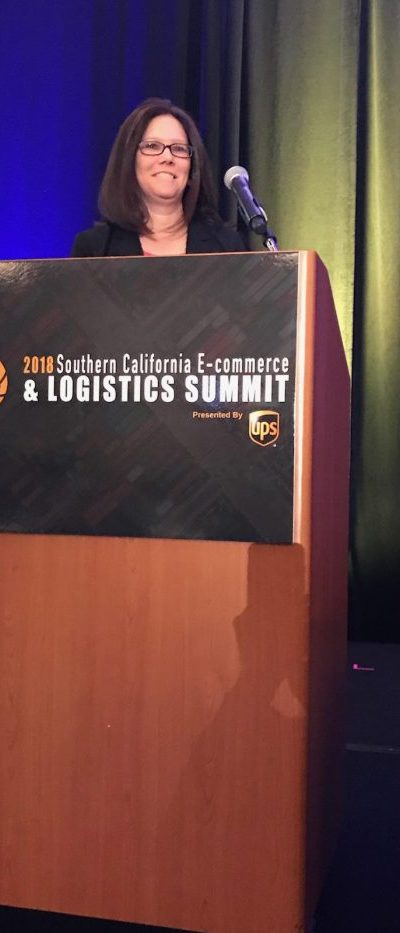
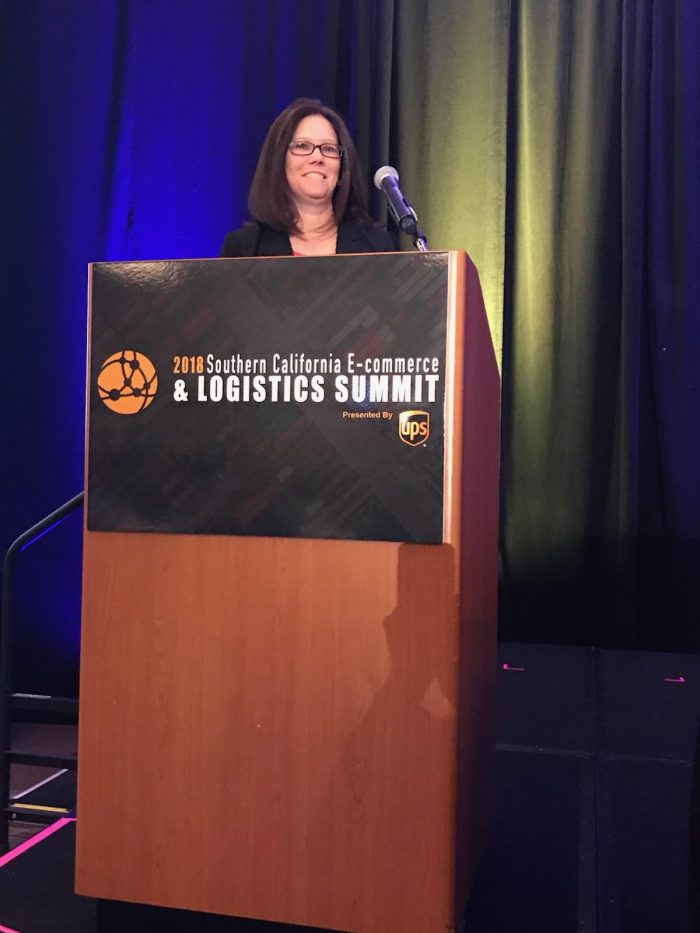
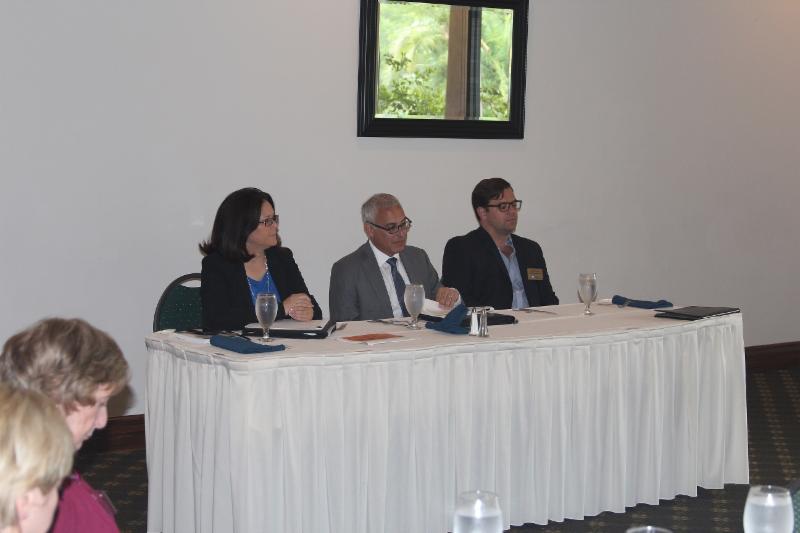
At the Southern California Supply Chain and Logistics Summit conference, there were several keynote speakers from industry icons such as Amazon, UPS, Union Pacific and more. One might expect quite a lot of interesting insights into the latest supply chain trends yet the most common theme among the presentations tied back to the skills gap.
Published in FabShop Magazine Direct in May 2018 “When we start to talk about the Amazon effect, it’s really a metaphor for rapid 24/7 delivery” says Lisa Anderson, president of LMA Consulting Group. Click here to read more.
In-depth look at the Inland Empire's booming economy and its influence on regional development.
A strategic focus on supply chain can dramatically influence your business's success, competitiveness, and resilience. Is it top of mind?
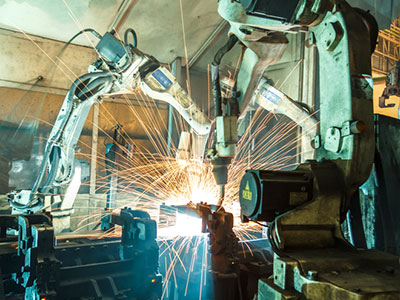
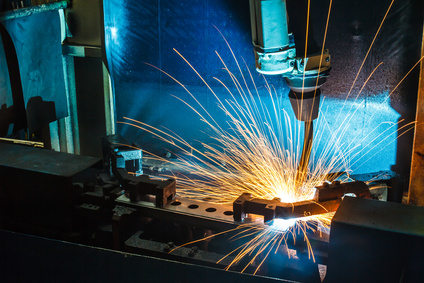
According to Industry Week and Moody's Investor Service, there could be a significant upside to robots with the near-term demographic time bomb in Japan and Germany.
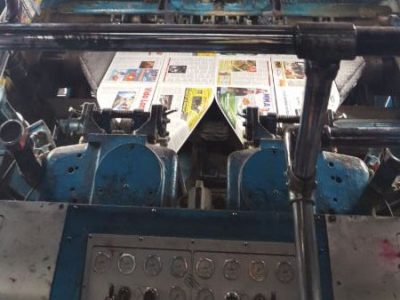
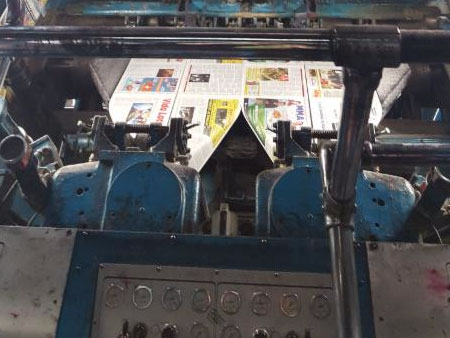
I toured the Los Angeles Times last week and was impressed with the automation. Although newspapers seems like an old business, it was impressive in pure size and volume with minimal people.
According to the Material Handling & Logistics, robots are slashing U.S. wages and worsening pay inequality. That is certainly a provocative statement! According to new research by MIT's Daron Acemoglu and Boston University's Pascual Restrepo, one additional robot per thousand workers reduces the employment to population ratio from .18 percentage points to .34 percentage points and slashes wages from .25% to .5%.