


909.630.3943

Geopolitical risk

Supply Chain Challenges, Remedies & Leadership

In this discussion we explore some of the challenges and remedies that companies across the sectors are encountering as they face into the post-COVID future and the challenge of a never normal world with ongoing supply chain disruptions, geopolitical tensions, and climate change.

Southern California CEO: Worldwide Supply Chains Critical to Supply Chain Strength

Manufacturing and Supply Chain Expert Lisa Anderson, MBA, CSCP, CLTD, President of LMA Consulting Group Inc., states"supply chains are going to be volatile until our world order becomes more predictable".

Lisa Anderson, Manufacturing and SIOP Expert and President of LMA Consulting Sees Worldwide Supply Chains Critical to Supply Chain Strength

Manufacturing and Supply Chain Expert Lisa Anderson, MBA, CSCP, CLTD, President of LMA Consulting Group Inc., predicts supply chain challenges for the foreseeable future. She also suggests that mitigating supply chain challenges will require leveraging the strength of direct and indirect global supply chains.

Supply Chain Disruptions Have Become an Excuse

Supply chain disruptions have become a convenient excuse, but successful companies are taking control. Lisa Anderson explains why proactive planning, risk management, backup strategies, and collaboration with end-to-end supply chain partners are essential to building resilience and navigating continued volatility.

Shanghai Lockdown

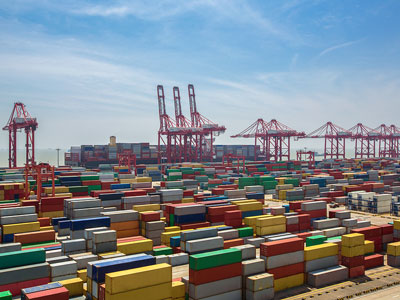
The Shanghai lockdown created another major bottleneck in an already disrupted global supply chain. Lisa Anderson discusses the impact of port congestion and geopolitical events and why companies must assess risks, strengthen supply chain partners, and build resilience to regain control of their end-to-end supply chains.

ACHR: Some Supply Chain Pressures Ease

While some supply chain pressures are easing, manufacturers continue to face shortages, delays, and uncertainty. Global disruptions, including the Russia-Ukraine war and challenges in China, demonstrate how quickly problems can cascade through interconnected supply chains and impact material availability, lead times, and customer service.

Using SIOP to Navigate Global Disruptions

Global disruptions can quickly impact supply, costs, capacity, and customer service. By using SIOP to evaluate changing conditions, risks, inventory, capacity, and customer priorities, manufacturers can make proactive decisions, strengthen supply chain resilience, and position themselves to capture growth opportunities.

Lisa Anderson, Manufacturing, SIOP Expert and President of LMA Consulting Gets Real About Supply Chains and World Events

Global events such as the Russia-Ukraine war continue to expose vulnerabilities across interconnected supply chains. Manufacturers can get ahead of disruption by strengthening supply chain resilience, reevaluating suppliers, reshoring and nearshoring operations, leveraging technology, and using S&OP to improve flexibility and control.

More Inflation & Supply Chain Chaos – What Should We Do?

Rising inflation, geopolitical conflict, energy costs, and commodity shortages are creating additional supply chain volatility. Manufacturers should proactively evaluate customers, suppliers, inventory, capacity, and supply chain networks while strengthening SIOP and planning processes to navigate disruption and stay ahead of changing conditions.

Go to Top