Reshaping the Future of Supply Chains
Global instability is reshaping supply chains. Discover strategies for building resilience through SIOP, technology, strategic sourcing, and proactive planning.



Global instability is reshaping supply chains. Discover strategies for building resilience through SIOP, technology, strategic sourcing, and proactive planning.
Lisa Anderson, LMA Consulting President and Founder, feels there is still a great deal of confusion global supply chains. Anderson joined "Bloomberg Markets" with Caroline Hyde and Paul Sweeney on Friday morning.

Lisa Anderson was quoted in the Sports Business Journal about reshoring and the investment in domestic manufacturing and the importance to the future.
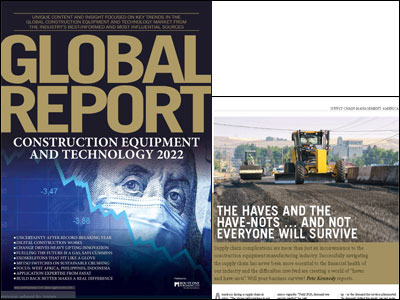
Snarled supply chains throughout 2021 had industry hoping 2022 would be smoother, yet analysts said it would last into 2023 or longer. Lisa Anderson offers her insights about how 2023 is looking.
As a potential nationwide rail strike threatened to disrupt U.S. supply chains, Lisa Anderson discussed the risks to manufacturers and the proactive strategies companies should use to protect critical materials, maintain supply continuity, and minimize operational disruptions.
Shocks and events such as the war in Ukraine, the pandemic and Brexit, among other may feel like they have appeared out of nowhere, but these events are taking place within the context of overarching trends that are unmoved by these short-term shocks and events. This provides us with another perspective on how to react and devise successful supply chain strategies as we look to the future.
Geopolitical risk and supply chain disruptions are accelerating the manufacturing renaissance. Learn why companies are reshoring, nearshoring and expanding manufacturing capacity closer to customers to strengthen resilience and mitigate risk.
Geopolitical volatility, energy constraints, natural disasters and supply chain disruptions are reshaping the global landscape. Learn why manufacturers should accelerate reshoring and nearshoring, strengthen supply chain resilience and invest in the capabilities required to thrive.
Manufacturers face ongoing supply chain disruptions, shortages and geopolitical risks. Lisa Anderson explains why resilience, diversified sourcing and greater supply chain control are essential to staying ahead.
Supply chain leaders are navigating congestion, energy challenges, inventory imbalances and global disruptions. An expert panel explores opportunities in technology, predictive analytics, supply chain visibility, reshoring and nearshoring to build greater resilience and control.