Supply Chain Disruption Is NOT Dead Yet
According to the Wall Street Journal, supply chains are back to normal. We do NOT agree. Using a take-off from Monty Python, supply chain disruption is not dead yet.



According to the Wall Street Journal, supply chains are back to normal. We do NOT agree. Using a take-off from Monty Python, supply chain disruption is not dead yet.
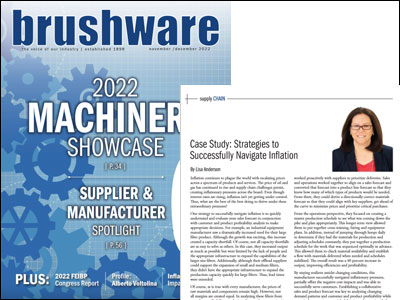
Inflation, material shortages, and shifting demand are reshaping manufacturing. Learn how collaborative planning, supplier alignment, and production scheduling helped one manufacturer improve profitability and grow market share.
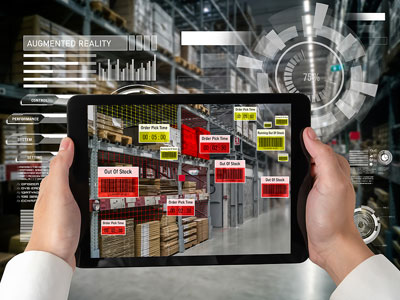
In a business environment marked by inflation, rising interest rates, and economic uncertainty, inventory decisions have never carried more weight. The challenge is no longer simply managing inventory—it is right-sizing it to align with demand, service expectations, and financial goals.
Supply chain disruptions, labor shortages, transportation delays and global volatility continue to create risk. Lisa Anderson discusses the challenges affecting supply chains and what they could mean for retailers and consumers.
In this episode of Supply Chain Chats, Lisa Anderson talks about impacts of inflation and supply chain disruption in the global supply chain. She uses fertilizer as an example and talks through how inflation and supply chain disruptions are interrelated and walks through the increase in the price of oil and gas to China’s decision to stop exporting to the Russia-Ukraine war and the potential rail strike. [...]
A tentative agreement may have averted a nationwide rail strike, but supply chain disruptions remain a significant concern. Lisa Anderson discusses why ongoing labor, geopolitical and economic pressures will continue to challenge supply chains.
A potential nationwide rail strike highlights the continued fragility of the supply chain. Lisa Anderson discusses why labor challenges, geopolitical pressures and ongoing disruptions will continue to create supply chain risk.
Conversation with my colleagues from the Society for the Advancement of Consulting’s Supply Chain Special Interest Group, Lisa Anderson from Los Angeles, California and Antonio Zrilic from Zagreb, Croatia discussing inflation busting strategies that companies can adopt to ameliorate the effects of rising inflation.
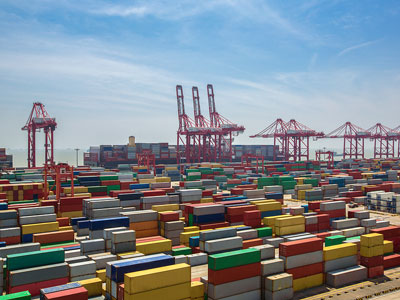
Supply chain disruptions continue at a rapid pace as geopolitical tensions, transportation bottlenecks, inflation and global shortages create new risks. Proactive companies are responding by expanding U.S. manufacturing, reshoring and nearshoring, diversifying supply and investing for long-term resilience.
Inflation and rising operating costs are putting pressure on cash flow and profitability. Lisa Anderson discusses why proactive cash flow management and strategic inventory decisions are essential for navigating economic uncertainty and protecting business performance.