
909.630.3943

Supply chain planning

Inflation Busters: Protecting Profits As Costs Keep Rising

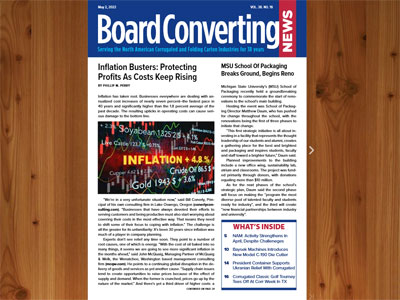
Inflation has taken root. Businesses everywhere are dealing with annualized cost increases of nearly seven percent--the fastest pace in 40 years and significantly higher than the 1.8 percent average of the past decade. The resulting upticks in operating costs can cause serious damage to the bottom line.


Replenishment Planning Best Practices to Improve Service Levels, Logistics Efficiencies, and Inventory Turns

Effective replenishment planning helps manufacturers and distributors improve customer service while controlling inventory and logistics costs. By aligning demand, inventory positioning, transportation, supplier capabilities, and replenishment strategies, companies can increase inventory turns, strengthen working capital, and improve supply chain responsiveness.

Using SIOP to Navigate Global Disruptions

Global disruptions can quickly impact supply, costs, capacity, and customer service. By using SIOP to evaluate changing conditions, risks, inventory, capacity, and customer priorities, manufacturers can make proactive decisions, strengthen supply chain resilience, and position themselves to capture growth opportunities.

International Business Academy Workshop

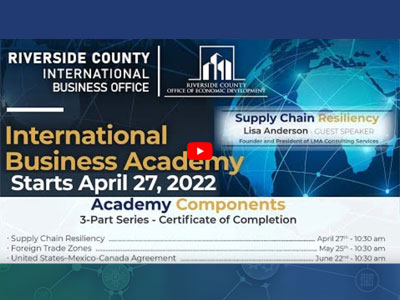
Riverside International Business Academy: Supply Chain Resiliency Lisa Anderson, Supply Chain Expert and President of LMA Consulting Group discusses the many layers of supply chain challenges and how to create supply chain resiliency.

Lost Revenue Due to Lack of Resources: How to Attract People to Your Company

According to Interos, almost 90% of companies experienced a negative impact to revenue due to supply chain disruption. That is a BIG number! From our point-of-view, every client is complaining about the lack of critical resources required to support the business and has experienced negative impacts to revenue (even if only in terms of a delay to revenue recognition).

Manage the Impact of Supplier Risk in your Supply Chain

In this webinar, industry expert Lisa Anderson along with NETSTOCK's Russ Graff discuss their top insights on how businesses can improve their processes and reduce supplier risk to ensure they deliver what their customers need. 

What Is S&OP (also known as SIOP) & Why Should We Care?

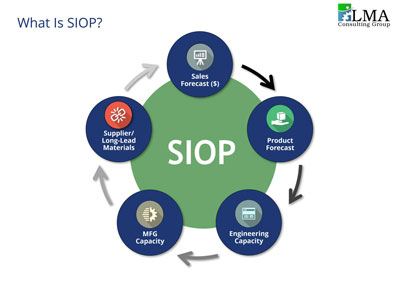
S&OP, also known as SIOP or Integrated Business Planning, connects strategy with execution by aligning demand, supply, inventory, capacity, and resources. A strong SIOP process helps companies improve collaboration, make better strategic decisions, and successfully navigate changing business conditions.

Proactive Planning to Grow & Scale

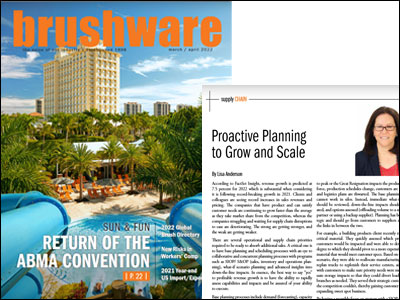
Rapid growth creates opportunities, but manufacturers need the capacity and planning capabilities to deliver. Strong demand, capacity, production, inventory, and materials planning — supported by SIOP and what-if scenario analysis — helps companies anticipate constraints, improve customer service, and scale profitably.

SIOP and S&OP FAQs: Implementation & Proven Results

SIOP aligns sales, operations, supply chain, and finance around one plan to improve revenue predictability, customer service, inventory, and profitability. This Q&A explores how manufacturers can use SIOP to anticipate capacity and resource needs, improve operational performance, and support profitable growth.

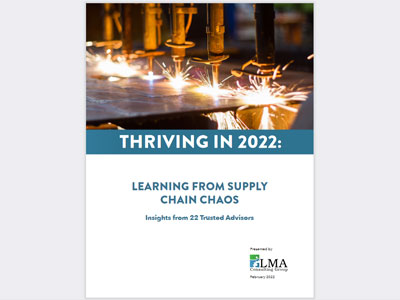
Applying Lessons Learned from Supply Chain Chaos to Thrive in 2022

Supply chain chaos exposed the risks of lengthy global supply chains and the need for greater resilience, responsiveness, and control. Manufacturers are rethinking where they produce and source, strengthening SIOP and planning capabilities, investing in technology, and moving manufacturing closer to customers to support profitable growth.

Go to Top