


909.630.3943

Collaborative Planning

Regaining Control of Your Supply Chain

The statistics have been staggering. Supply chain disruptions have cost companies an average of $182 million in lost revenue, according to an Interos Supply Chain report. Additionally, there are many unhappy customers in the wake of these disruptions. The bottom line is that the global supply chain [...]

Supply Chain Collaboration & VMI to Get Ahead of Economic Challenges

Manufacturers are experiencing continued inflationary pressures threatening customer service and profit margins with record-breaking price increases and lack of material availability.  To add fuel to the fire, they are also starting to worry about preparing for a potential recession.

Supply Chain Challenges, Remedies & Leadership

In this discussion we explore some of the challenges and remedies that companies across the sectors are encountering as they face into the post-COVID future and the challenge of a never normal world with ongoing supply chain disruptions, geopolitical tensions, and climate change.

Southern California CEO: Worldwide Supply Chains Critical to Supply Chain Strength

Manufacturing and Supply Chain Expert Lisa Anderson, MBA, CSCP, CLTD, President of LMA Consulting Group Inc., states"supply chains are going to be volatile until our world order becomes more predictable".

Supply Chain Disruptions Have Become an Excuse

Supply chain disruptions have become a convenient excuse, but successful companies are taking control. Lisa Anderson explains why proactive planning, risk management, backup strategies, and collaboration with end-to-end supply chain partners are essential to building resilience and navigating continued volatility.

Shanghai Lockdown

The Shanghai lockdown created another major bottleneck in an already disrupted global supply chain. Lisa Anderson discusses the impact of port congestion and geopolitical events and why companies must assess risks, strengthen supply chain partners, and build resilience to regain control of their end-to-end supply chains.

Replenishment Planning Best Practices to Improve Service Levels, Logistics Efficiencies, and Inventory Turns

Effective replenishment planning helps manufacturers and distributors improve customer service while controlling inventory and logistics costs. By aligning demand, inventory positioning, transportation, supplier capabilities, and replenishment strategies, companies can increase inventory turns, strengthen working capital, and improve supply chain responsiveness.

What Is S&OP (also known as SIOP) & Why Should We Care?

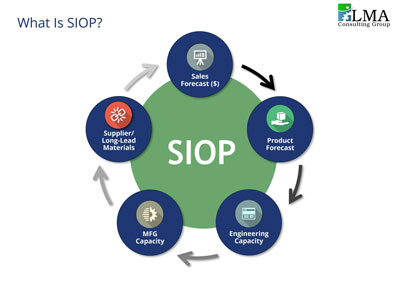
S&OP, also known as SIOP or Integrated Business Planning, connects strategy with execution by aligning demand, supply, inventory, capacity, and resources. A strong SIOP process helps companies improve collaboration, make better strategic decisions, and successfully navigate changing business conditions.

Do You Have Suppliers or Partners?

During supply chain disruptions and shortages, strategic partners are more likely to prioritize one another than transactional suppliers and customers. Learn how stronger supplier partnerships, active backup sources, collaborative planning, and becoming a customer of choice can improve supply continuity, strengthen resiliency, and support profitable growth.

Creating Predictable Revenue with Demand Planning Best Practices

Predicting unpredictable demand starts with the right questions. Learn how demand planning and SIOP can improve predictability, align resources, and support profitable growth.

Go to Top