

Strategies for Gaining Packaging Efficiencies in Your Supply Chain
Since packaging is typically 10-40% of the retail price of products, there is no doubt it adds up to a relevant factor in product cost and waste.
The supply chain has calmed down since the height of the pandemic; however, smart manufacturers are thinking ahead to changing conditions. Geopolitical risks are at an all-time high.
Clients typically set goals; however, goals without an understanding of where you stand is non-value added. Although it is common to set goals and expect employees to achieve them, it is far less common for clients to understand how they will get from the current state to the desired future state.
The best consulting clients are razor focused on supply chain volatility, risk and capacity. The recent events in the Red Sea highlight these critical priorities.
40% of the goods movement from Northeast Asia to the U.S. East Coast go through the Panama Canal, and so the Panama Canal issues are driving shortages, late deliveries, and re-routing of goods.
Lisa Anderson emphasizes the critical necessity of prioritizing supply chain optimization as global disruptions continue. Key issues, such as the worsening conditions at the Panama Canal, have been highlighted as significant contributors to the ongoing supply chain crisis.
The White House has launched a cabinet-level supply chain council as the criticality of the topic rises to the top.
With sustainability increasing in popularity and the carbon footprints of end-to-end supply chains evaluated, innovation and manufacturing will skyrocket.
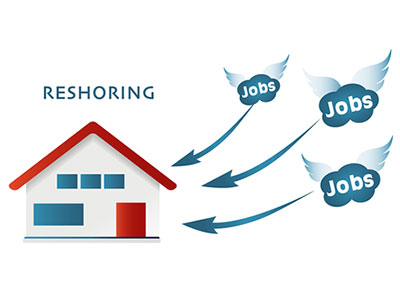
Lisa Anderson was quoted in an article on the American Express website discussing why local sourcing can help benefit your business in a big way!
Lisa Anderson of LMA Consulting Group was quoted on Bloomberg Law about risk to China-linked supply chains, especially geopolitical risk, prompting some companies to rethink where they source their materials or manufacture their products.