
909.630.3943

Working capital

Production Scheduling Best Practices Drive Increased Customer Service, Operational Efficiencies & Inventory Turns

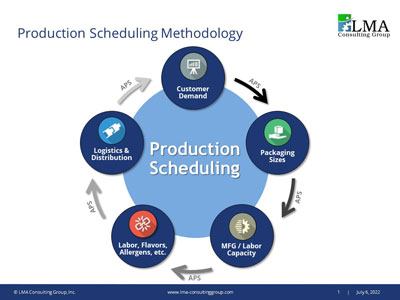
Production scheduling is the bridge between planning and execution. Learn how disciplined scheduling practices can improve customer service, increase operational efficiency, reduce inventory, and help manufacturers turn supply chain chaos into predictable, profitable performance.

Are You Managing Inventory or Is Inventory Managing You?

As executives continue to navigate these volatile economic conditions, the focus on inventory management increases. It is especially tough to determine what to do if you don't know if sales opportunities will dramatically increase as the competition falters and consumers drive demand or if sales will tank as recession fears increase and business optimism falters.

Supply Chain Collaboration & VMI to Get Ahead of Economic Challenges

Manufacturers are experiencing continued inflationary pressures threatening customer service and profit margins with record-breaking price increases and lack of material availability.  To add fuel to the fire, they are also starting to worry about preparing for a potential recession.

After a Year of Shortages, Here’s Why Stores Suddenly Have too Much Stuff

After months of shortages and supply chain disruptions, many retailers suddenly found themselves with excess inventory. Lisa Anderson discusses how shifting demand and the bullwhip effect contributed to the dramatic swing from empty shelves to overflowing warehouses.

Getting Ahead of Inflationary and Deflationary Pressures Using SIOP / S&OP

Because we live in a global, supply chain disrupted world amidst record-breaking prices for food, commodities and oil (and all products dependent on these industries), not only are businesses looking to navigate inflationary pressures, but also deflationary pressures. Inflation can lead to deflation as consumers panic and demand softens.

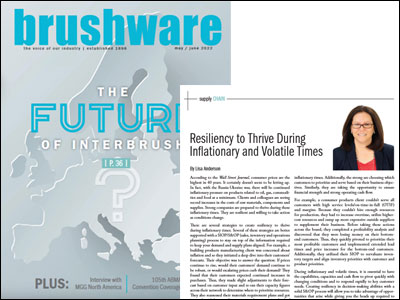
Resiliency to Thrive During Inflationary & Volatile Times

Inflation and supply chain volatility are putting increasing pressure on manufacturers to make faster, smarter decisions. Learn how resilient companies use SIOP to align demand, capacity, inventory, and profitability so they can adapt quickly, strengthen cash flow, and position themselves for long-term success.

Resort Trades: Inflation Busters: Protecting Profits As Costs Keep Rising

Lisa Anderson, Manufacturing and Supply Chain Expert and President of LMA Consulting Group, talks about the coming months and keeping an eye on cash balance."Proactively managing cashflow is critical right now".

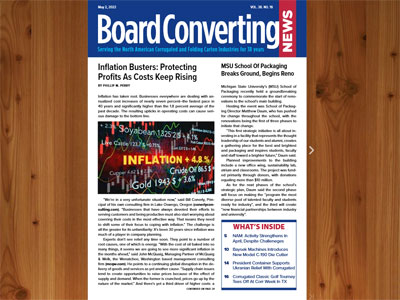
Inflation Busters: Protecting Profits As Costs Keep Rising

Inflation has taken root. Businesses everywhere are dealing with annualized cost increases of nearly seven percent--the fastest pace in 40 years and significantly higher than the 1.8 percent average of the past decade. The resulting upticks in operating costs can cause serious damage to the bottom line.

Replenishment Planning Best Practices to Improve Service Levels, Logistics Efficiencies, and Inventory Turns

Effective replenishment planning helps manufacturers and distributors improve customer service while controlling inventory and logistics costs. By aligning demand, inventory positioning, transportation, supplier capabilities, and replenishment strategies, companies can increase inventory turns, strengthen working capital, and improve supply chain responsiveness.

Interview with Industrial Insights on How SIOP Can Address Business Volatility

Supply chain disruptions and demand volatility make it increasingly difficult to balance customer needs with capacity, inventory, and profitability. In this Industrial Insights interview, Lisa Anderson discusses how SIOP helps companies anticipate changing demand, align supply, manage inventory and working capital, and make faster decisions in a volatile business environment.

Go to Top