

909.630.3943

SIOP / Integrated Business Planning (IBP)

Sales Inventory Operations Planning (SIOP) aligns demand, supply, inventory, capacity, and financial objectives to drive predictable growth and profitable business performance. Explore insights on SIOP best practices, executive alignment, demand and supply balancing, scenario planning, integrated business planning, and technology enablement. Learn how manufacturers and distributors leverage SIOP to improve customer service, optimize inventory, enhance operational performance, mitigate risk, and support scalable, resilient supply chains.

SIOP: The Key to Scaling Successfully

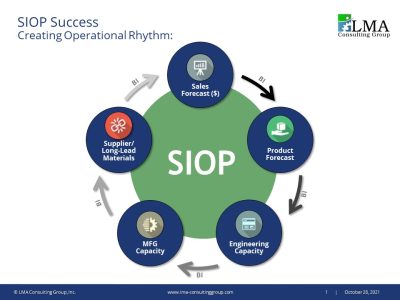
According to an informal survey of manufacturers, distributors and healthcare executives, the #1 issue that is top of mind is how to scale successfully. Our clients are growing. For example, those in the building and construction products industry are experiencing significant growth fueled by the pandemic; those in e-commerce [...]

2026-05-03T19:24:39-07:00April 1, 2021|Categories: SIOP / Integrated Business Planning (IBP), Supply Chain Planning|Tags: , , |

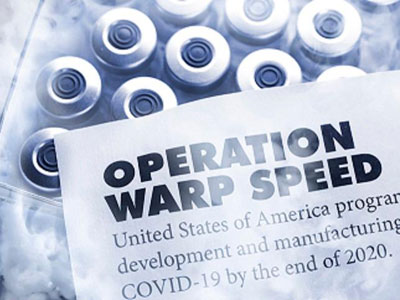
Why the Supply Chain is Strategic & an Operations Warp Speed Example

If you aren't seeing the end-to-end supply chain as strategic, you will miss your opportunity to get ahead of the competition and grow as rapidly as you otherwise could! How quickly can you scale with increasing sales volume? [...]

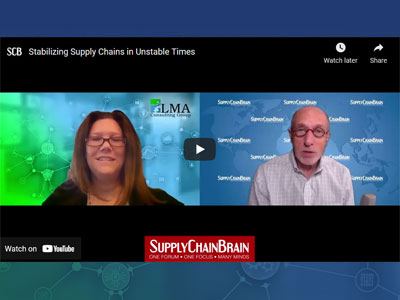
Stabilizing Supply Chains: Supply Chain Brain Video

Supply chain stability has become a top priority for manufacturers and distributors navigating ongoing disruption and uncertainty. In this interview with SupplyChainBrain Editor-in-Chief Robert J. Bowman, Lisa Anderson discusses how companies can improve visibility, strengthen supplier and customer relationships, leverage technology, and use SIOP to build a more resilient [...]

Stabilizing Supply Chains in Unstable Times

Lisa Anderson, founder and president of LMA Consulting Group Inc., offers advice on how supply-chain managers can function efficiently in a time of deep uncertainty – and why's it's vital to achieve visibility of both customers and suppliers. The first step toward stabilizing the supply chain is to reach out [...]

Why SIOP is Critical to Thriving During & Post COVID

COVID has disrupted every business. Some are growing far faster than supply can keep up while others have dropped like a rocket. Still others have almost identical dollar volume yet double the number of orders at half the order size, creating significant disruption in warehousing, shipping and transportation. [...]

What’s Going on in the Food Industry?

After receiving a call from a CBS affiliate asking about what's going on in the food industry, we thought it would make for an interesting deep dive. In addition, we have been working with companies from farm to table and from machinery equipment to logistics/ food service distribution and [...]

Supply Chain Optimization: 27 Supply Chain & Logistics Pros Reveal the Single Most Effective Way to Optimize the Supply Chain

Every organization needs to be focused on supply chain efficiency, particularly in today’s landscape, where consumers (both B2B and B2C) increasingly demand rapid fulfillment and hassle-free exchanges with the companies they do business with. When efficiency is lacking, companies lose valuable customers to their competitors – often those that [...]

Manufacturing Expert, Lisa Anderson, Advises Future-Proofing the Supply Chain

Unlock growth in manufacturing supply chain with future-proofing strategies. Ensure alignment, visibility, and collaboration for success.

Forget About Reducing Inventory; Perhaps You Have the Wrong Supply Chain Strategy

Clients and colleagues have demonstrated a heightened interest in inventory reduction recently; however, they are not yet seeing the full value! Certainly, with everyone worried about a potential recession in 2020, they are starting to think about not tying as much cash up in wasted inventory but that is not the 100-pound gorilla. The real question is why we are thinking about corporate mandates and full warehouses instead of seeing the big picture that we should reevaluate our supply chain.

Go to Top