

909.630.3943

Capacity planning

Why Manufacturing Drives Resiliency

Global volatility and supply chain disruptions are reinforcing the need for greater control over manufacturing. Learn how reshoring, nearshoring, strategic capacity and stronger supply networks can improve resilience and position companies for future opportunities.

Regaining Control of Your Supply Chain

The statistics have been staggering. Supply chain disruptions have cost companies an average of $182 million in lost revenue, according to an Interos Supply Chain report. Additionally, there are many unhappy customers in the wake of these disruptions. The bottom line is that the global supply chain [...]

Production Scheduling Best Practices Drive Increased Customer Service, Operational Efficiencies & Inventory Turns

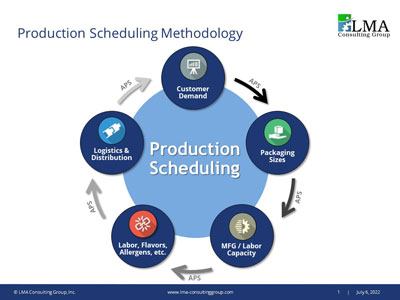
Production scheduling is the bridge between planning and execution. Learn how disciplined scheduling practices can improve customer service, increase operational efficiency, reduce inventory, and help manufacturers turn supply chain chaos into predictable, profitable performance.

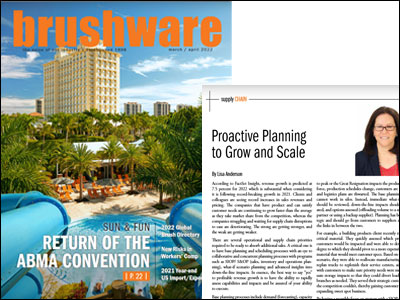
Zephyr Manufacturing: Proactive Planning to Grow and Scale

Proactive planning can help manufacturers prepare for growth even amid continued supply chain disruptions. Lisa Anderson discusses why capacity planning, what-if scenarios, and strong planning processes are essential to assess capabilities, support additional sales, and achieve profitable, scalable growth.

Supply Chain Disruptions Impacting Baby Formula Availability

The baby formula shortage exposed critical vulnerabilities in the supply chain. Lisa Anderson discusses the factors behind the shortage, the challenges of restoring production and supply, and why organizations must proactively address risk, capacity, inventory, and supply chain resilience.

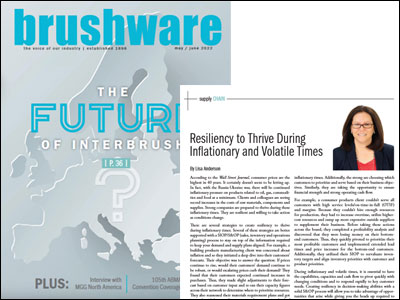
Resiliency to Thrive During Inflationary & Volatile Times

Inflation and supply chain volatility are putting increasing pressure on manufacturers to make faster, smarter decisions. Learn how resilient companies use SIOP to align demand, capacity, inventory, and profitability so they can adapt quickly, strengthen cash flow, and position themselves for long-term success.

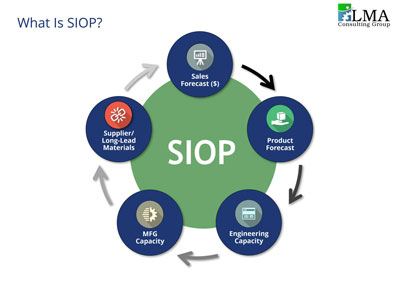
What Is S&OP (also known as SIOP) & Why Should We Care?

S&OP, also known as SIOP or Integrated Business Planning, connects strategy with execution by aligning demand, supply, inventory, capacity, and resources. A strong SIOP process helps companies improve collaboration, make better strategic decisions, and successfully navigate changing business conditions.

Proactive Planning to Grow & Scale

Rapid growth creates opportunities, but manufacturers need the capacity and planning capabilities to deliver. Strong demand, capacity, production, inventory, and materials planning — supported by SIOP and what-if scenario analysis — helps companies anticipate constraints, improve customer service, and scale profitably.

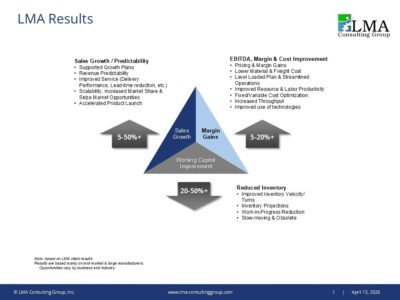
SIOP and S&OP FAQs: Implementation & Proven Results

SIOP aligns sales, operations, supply chain, and finance around one plan to improve revenue predictability, customer service, inventory, and profitability. This Q&A explores how manufacturers can use SIOP to anticipate capacity and resource needs, improve operational performance, and support profitable growth.

Capacity Planning Best Practices to Support Sales Growth

Capacity planning ensures your operations and supply chain can keep pace with sales growth. Learn capacity planning best practices for aligning labor, equipment, suppliers, warehousing, and transportation with demand to identify bottlenecks, improve customer service, and support profitable, scalable growth.

Go to Top