


909.630.3943

Capacity planning

Production & Labor Scheduling Case Study to Maximize Productivity

As geopolitical and economic risks rise, executives become more concerned. Proactive clients are taking action to boldly invest where it makes sense while aggressively focusing on inventory and cost reduction of non-value added items/ work and also ensuring high customer service levels.
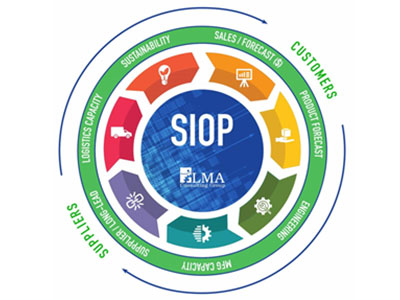
Successfully Navigating Turbulent Times with SIOP

Turbulent times are upon us. According to Reuters reporting from the Bank of America, geopolitics has leapfrogged inflation as the most significant risk to the market, and that was proven true as the market slumped with the expectation of Iran's attack on Israel.

Supporting Medtech’s Growth: Scaling & Mitigating Risk in the Supply Chain

The medical device market is expected to grow by almost $178 billion from 2023 to 2027 according to Technavio. Moreover, a Fortune Business Insights Analysis estimates the market to reach $799 billion by 2030. With such significant growth, manufacturing and supply chains must scale and mitigate risk to ensure supplies to customers and patients.  

Lisa Anderson, Supply Chain Expert Sheds Light on the Fragile State of the Aerospace Supply Chain

Lisa Anderson addresses the significant challenges posed by recent quality issues at Boeing and their widespread effects on the aerospace and related supply chains. Drawing from her in-depth industry experience, Ms. Anderson offers vital strategies for companies to navigate these disruptions effectively.

Reallocating Manufacturing & Supply Chain Capacity to Mitigate Risk & Ensure Success

The supply chain is in a constant state of disruption. As we discussed on Supply Chain Chats, simple backup plans are no longer enough. In fact, you can look at recent events and determine if a backup is sufficient. Starting with the pandemic, of course, most if not all companies didn't have a sufficient enough backup plan.

The Aerospace Supply Chain & the Impacts of Boeing

The aerospace supply chain has been struggling to recover since the pandemic. The industry has been plagued with shortages, labor issues, and supply chain issues. According to McKinsey, demand was back to 97% of pre-pandemic levels as of December 2023.

The Minimum Wage Hike, Cocoa Shortages, Egg Inflation & Impacts

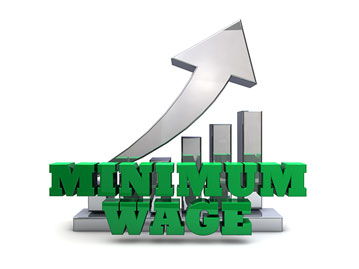
California's minimum wage went up to $20/hr. for fast food restaurants with at least 60 locations nationwide that do not make bread. This law is causing widespread unintended consequences. For example, Fosters Freeze in Lemoore closed suddenly after the wage hike. Mod 5 Pizza is closing five locations.

Supply Chain Shortages Remain a Concern: Strategies for Success

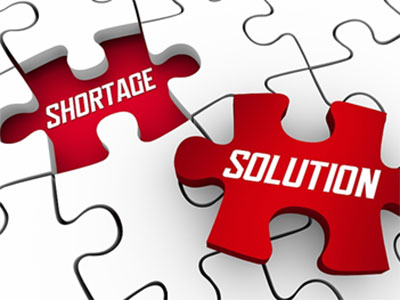
Manufacturers wish they left supply chain shortages behind after the pandemic, but they remain top of mind. Concerns remain. According to KPMG, “71% of global companies highlight raw material costs as their number one supply chain threat for 2023.”

Why Manufacturing Matters & Will Thrive in the Next Decade

Manufacturing promotes safety and security and mitigates risk. Controlling your supply chain and mitigating geopolitical risk can become paramount overnight as geopolitical events occur, natural disasters emerge, and supply chain challenges arise (strikes, disruptions, shortages).

How Do You Rate in Supply Chain?

Clients typically set goals; however, goals without an understanding of where you stand is non-value added. Although it is common to set goals and expect employees to achieve them, it is far less common for clients to understand how they will get from the current state to the desired future state.

Go to Top