
909.630.3943

SIOP

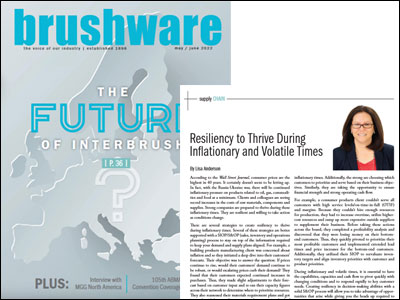
Resiliency to Thrive During Inflationary & Volatile Times

Inflation and supply chain volatility are putting increasing pressure on manufacturers to make faster, smarter decisions. Learn how resilient companies use SIOP to align demand, capacity, inventory, and profitability so they can adapt quickly, strengthen cash flow, and position themselves for long-term success.


Replenishment Planning Best Practices to Improve Service Levels, Logistics Efficiencies, and Inventory Turns

Effective replenishment planning helps manufacturers and distributors improve customer service while controlling inventory and logistics costs. By aligning demand, inventory positioning, transportation, supplier capabilities, and replenishment strategies, companies can increase inventory turns, strengthen working capital, and improve supply chain responsiveness.

Using SIOP to Navigate Global Disruptions

Global disruptions can quickly impact supply, costs, capacity, and customer service. By using SIOP to evaluate changing conditions, risks, inventory, capacity, and customer priorities, manufacturers can make proactive decisions, strengthen supply chain resilience, and position themselves to capture growth opportunities.

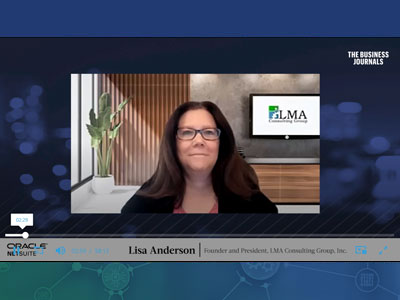
The Business Journals: Supply Chain Issues – What’s keeping the C-level up at night in 2022?

In this webinar hosted by The Business Journals and sponsored by Oracle NetSuite, Lisa Anderson joins industry leaders to discuss the supply chain challenges keeping executives up at night and strategies for building resilience, driving growth, and thriving amid ongoing disruption.

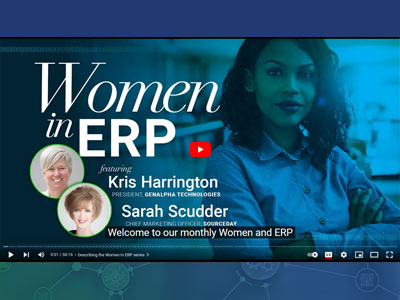
Source Day: Women in ERP

In SourceDay's "Women in ERP" panel, Lisa Anderson joined industry leaders to discuss best practices for ERP selection, upgrades, and utilization. The conversation explored how organizations can maximize the value of their ERP investments to improve visibility, support growth, and drive operational performance.

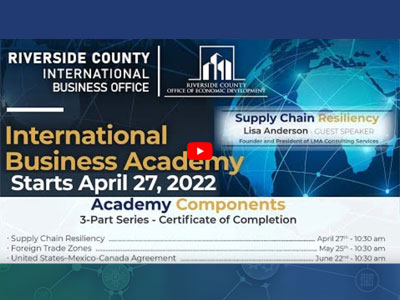
International Business Academy Workshop

Riverside International Business Academy: Supply Chain Resiliency Lisa Anderson, Supply Chain Expert and President of LMA Consulting Group discusses the many layers of supply chain challenges and how to create supply chain resiliency.

Lost Revenue Due to Lack of Resources: How to Attract People to Your Company

According to Interos, almost 90% of companies experienced a negative impact to revenue due to supply chain disruption. That is a BIG number! From our point-of-view, every client is complaining about the lack of critical resources required to support the business and has experienced negative impacts to revenue (even if only in terms of a delay to revenue recognition).

Lisa Anderson, Manufacturing, SIOP Expert and President of LMA Consulting Gets Real About Supply Chains and World Events

Global events such as the Russia-Ukraine war continue to expose vulnerabilities across interconnected supply chains. Manufacturers can get ahead of disruption by strengthening supply chain resilience, reevaluating suppliers, reshoring and nearshoring operations, leveraging technology, and using S&OP to improve flexibility and control.

What Is S&OP (also known as SIOP) & Why Should We Care?

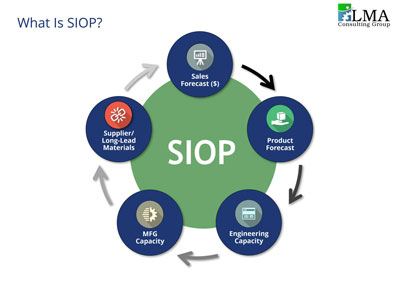
S&OP, also known as SIOP or Integrated Business Planning, connects strategy with execution by aligning demand, supply, inventory, capacity, and resources. A strong SIOP process helps companies improve collaboration, make better strategic decisions, and successfully navigate changing business conditions.

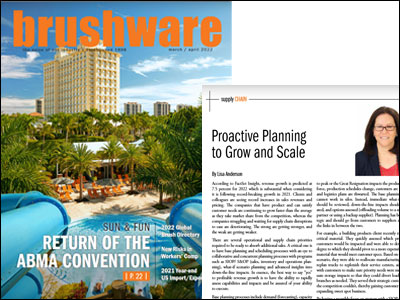
Proactive Planning to Grow & Scale

Rapid growth creates opportunities, but manufacturers need the capacity and planning capabilities to deliver. Strong demand, capacity, production, inventory, and materials planning — supported by SIOP and what-if scenario analysis — helps companies anticipate constraints, improve customer service, and scale profitably.

Go to Top