

909.630.3943

Blog

Using AI to Improve Supply Chain Decision-Making

Artificial intelligence (AI) is rapidly becoming a powerful tool in the supply chain leader's toolkit. Although there is no shortage of hype surrounding AI, the most successful organizations are finding practical ways to leverage its capabilities to improve decision-making, accelerate analysis, and uncover opportunities hidden within their data.

Supplier Issues

In this Supply Chain Byte, Lisa Anderson explains why companies must pay close attention to demand signals, translate demand into supply requirements and confirm whether suppliers truly have the capacity to support the plan. Knowing when materials will arrive and having a clear ETA is critical.

Building a Foundation for Growth

Avtron Power Solutions partnered with LMA Consulting Group to improve capacity planning, optimize SAP Business One, strengthen MRP capabilities, and implement a proactive SIOP process. The result was greater visibility into future demand, improved customer commitments, right-sized inventory, and a scalable foundation that supported record revenue growth.

AI and Digitization Driving the Triple Bottom Line

Artificial intelligence (AI) and digitization are fundamentally changing sustainability from a reporting exercise into an engineered outcome. AI and digital transformation can tie directly into how products are designed, how factories operate, and how supply chains are managed, not only creating customer and EBITDA value but also supporting sustainability and the triple bottom line.

How Frazier Improved Visibility, Planning, and Customer Fulfillment

Frazier Industrial partnered with LMA Consulting Group to improve visibility across customer demand, production planning, capacity, and order fulfillment. Through ERP enhancements, advanced planning tools, scheduling improvements, and SIOP-driven decision-making, the company stabilized operations, improved customer service, and created a stronger foundation for growth.

Advanced Planning Systems (APS)

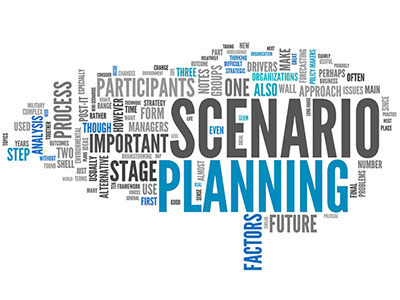
Advanced Planning Systems (APS) are no longer optional - they are becoming critical to smarter, faster and more profitable supply chain decisions. In this Supply Chain Byte, Lisa Anderson explains why manufacturers should be looking closely at APS. Recent client situations highlighted three key needs: scenario planning, constraint-based planning and end-to-end visibility & predictive insights.

Improved Operational Performance Through SIOP and Demand Visibility

Nellson partnered with LMA Consulting Group to improve demand visibility and create more effective production plans. Through SIOP and longer-term planning, the company established a stronger operational rhythm, reduced inventory by 50%, improved OTIF performance into the high 90% range, and strengthened operational performance across the business.

The LMA Difference

When Armacell's OTIF performance fell to 38%, the company partnered with LMA Consulting Group to strengthen planning processes, optimize SAP capabilities, and improve cross-functional collaboration. Through SIOP improvements, data-driven decision-making, and sustainable process changes, Armacell increased OTIF performance to more than 90%, improved customer satisfaction, and built a stronger foundation for long-term growth.

Transformed Supply Chain Performance Through ERP and SIOP Excellence

When Armacell's OTIF performance fell to 38%, the company partnered with LMA Consulting Group to improve SAP utilization, strengthen SIOP processes, and align teams around data-driven decision-making. The result was a sustainable transformation that increased OTIF performance to as high as 92% and created a stronger foundation for long-term supply chain success.

From 38% to 92% OTIF: The Power of Visibility and Planning

Armacell partnered with LMA Consulting Group to improve customer service, strengthen SAP planning capabilities, and enhance SIOP execution. By transitioning from spreadsheet-driven planning to system-based processes, the company increased on-time service from 38% to 92% while building the internal capabilities needed to sustain long-term success.

Go to Top