


Regional Manufacturing in the Medical Supply Chain
The supply chain has calmed down since the height of the pandemic; however, smart manufacturers are thinking ahead to changing conditions. Geopolitical risks are at an all-time high.
Enterprise resource planning systems, CRMs and other tech such as RFID, barcoding, customer and supplier portals, blockchain, IoT, and GPS tracking all support this goal.
In the last month, we've participated in at least six economic forecast presentations or discussions with experts (economic, banking, investment, manufacturing). Although they each had nuances, common themes emerged. Adding our expertise into the mix, we see volatility on the horizon.
According to Polaris Market Research, the market size of artificial intelligence (AI) in manufacturing is predicted to grow more than 41% during the next decade. Although the latest Sikich Industry Pulse found that less than 20% manufacturers have started to implement AI [...]
Pay alone will not suffice. In our experience, the most important priority to retaining top talent is company culture and leadership.
Supply chains are being reshaped by geopolitical uncertainty, talent shortages, technology disruption, and evolving customer expectations. In this Manufacturing Matters webinar, Lisa Anderson discusses practical strategies to improve resiliency, leverage SIOP, develop talent, and build supply chains that support long-term growth and profitability.
The world has never experienced a labor shortage quite like the one we are experiencing. According to the Bureau of Labor Statistics, employment growth will average .3 over the next decade; however, labor participation will drop from 62.2% to 60.4%.
Automation is coming, whether or not we get on board. Most executives do not want to be the guinea pig for new technology as they cannot afford disruption and risk.
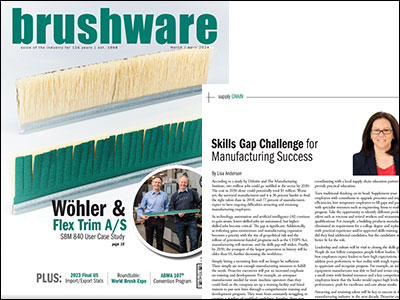
No client has enough high-skilled talent. In fact, it is the single largest issue facing executives. The skills gap is severe for high-skilled roles. Yet any company that wants to succeed is automating, digitizing, and utilizing advanced technologies such as robotics, additive manufacturing, and predictive analytics.
Cold food supply chains continue to face significant disruption as geopolitical risks, transportation challenges, labor shortages, and changing customer expectations reshape the industry. Building resilient supply chains, improving visibility, leveraging advanced technologies, and strengthening demand and supply planning are becoming essential for companies looking to maintain service levels and [...]