Manufacturing in the USA with Lisa Anderson
In this episode of Interlinks I converse with Lisa Anderson of LMA Consulting in the Los Angeles metro area about manufacturing in the USA.



In this episode of Interlinks I converse with Lisa Anderson of LMA Consulting in the Los Angeles metro area about manufacturing in the USA.
The medical device market is expected to grow by almost $178 billion from 2023 to 2027 according to Technavio. Moreover, a Fortune Business Insights Analysis estimates the market to reach $799 billion by 2030. With such significant growth, manufacturing and supply chains must scale and mitigate risk to ensure supplies to customers and patients.
Modern ERP No Longer Enough Although we have been emphasizing the need for a modern ERP system to meet continually evolving customer expectations, modern ERP alone is no longer enough. To thrive in the next decade will require business AI (artificial intelligence) to be embedded throughout your ERP system, [...]
In attending the Southern California E-Commerce & Logistics Summit, it is clear that focusing on global logistics as a system of systems is paramount (special shout out to Fran Inman for the use of her phrase). Not one link in the supply chain can succeed on its own.
The risk of China has increased dramatically over the years. Early on, executives were concerned about intellectual property theft. Although that is still a concern, there are much bigger issues.
According to UPS's CEO, UPS’ network flexibility gave it an edge over FedEx in landing a deal with the U.S. Postal Service. Instead of following a hub-and-spoke model to service the USPS, UPS can use its regional gateways to support the local and regional requirements of the USPS customers.
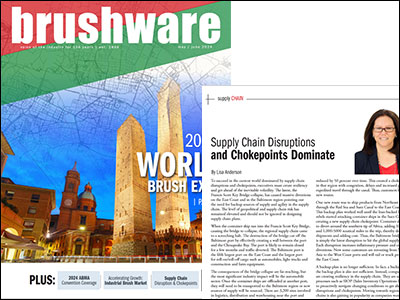
The latest Francis Scott Key Bridge collapse has caused massive diversions on the East Coast and in the Baltimore region and points out the need for backup sources of supply and agility in the supply chain.
According to The California Policy Center, 237 companies have left California since 2005. Most companies cited the expanding regulatory and taxation environment.
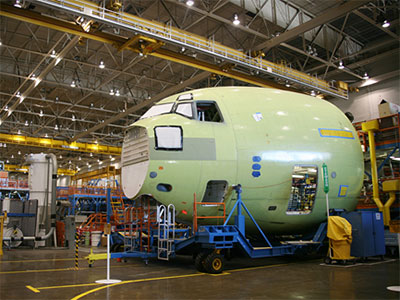
The aerospace supply chain has been struggling to recover since the pandemic. The industry has been plagued with shortages, labor issues, and supply chain issues. According to McKinsey, demand was back to 97% of pre-pandemic levels as of December 2023.
COVID-19 may no longer be a significant public health threat, but the global supply chain remains chock full of risk. The threats are seemingly everywhere these days: The Israel-Hamas war, which is sabotaging trade routes in the Red Sea; extreme drought, which is curtailing shipping in the Panama Canal, and China’s military aggression, which is threatening lawful commerce in the South China Sea.