

909.630.3943

Reshoring

Medtech’s Supply Chain: Global Risks Driving Regional Manufacturing

COVID-19 may no longer be a significant public health threat, but the global supply chain remains chock full of risk. The threats are seemingly everywhere these days: The Israel-Hamas war, which is sabotaging trade routes in the Red Sea; extreme drought, which is curtailing shipping in the Panama Canal, and China’s military aggression, which is threatening lawful commerce in the South China Sea.

Baltimore Key Bridge Collapse Reminds Businesses They Need Diversified Supply Chains

Lisa Anderson was quoted in this article on Inc., reminding businesses that diversification of supply chains is key especially during times of disaster and infrastructure rebuilds.

The Global Supply Chain: Issues and Options

In this episode of Supply Chain Chats, Lisa Anderson talks about the state of affairs in the global supply chain. From the drought impacting container ship capacity in the Panama Canal to the Iran-backed Houthi rebels attacking container ships in the Suez Canal to the Chinese aggression towards Taiwan and ships passing in the South China Seas, risks are increasing across the global supply chain.

Lisa Anderson, Supply Chain Expert Discusses Ripple Effects of the Francis Scott Key Bridge Collapse on Global Supply Chains

Lisa Anderson emphasizes the profound and wide-ranging impacts on global supply chains. The bridge’s destruction not only disrupts local traffic and logistics but also sends shockwaves through international trade routes, highlighting the critical need for robust supply chain resilience strategies.

The Francis Scott Key Bridge Collapse & Impacts in the Supply Chain

Horribly, a container ship collided with the Francis Scott Key Bridge, and much of the bridge collapsed. From a supply chain point of view, it has caused significant near-term impacts and extended disruptions in the region.

Supply Chain Shortages Remain a Concern: Strategies for Success

Manufacturers wish they left supply chain shortages behind after the pandemic, but they remain top of mind. Concerns remain. According to KPMG, “71% of global companies highlight raw material costs as their number one supply chain threat for 2023.”

Building Agility and Resilience for Business in 2024

In this episode of Interlinks, we delve into the heart of navigating through the unpredictable tides of global events and their profound impact on supply chains, discussing the imperative need for agility and resilience.

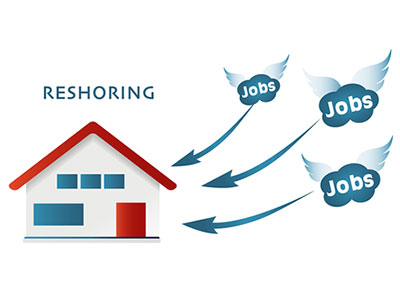
BBC: Why firms are bringing their manufacturing back home

As manufacturers rethink global supply chains, reshoring, nearshoring, and friend-shoring are becoming central strategies for improving resilience, reducing risk, and supporting long-term growth. In this interview with the BBC, Lisa Anderson discusses the forces driving manufacturing closer to home, including geopolitical risk, government incentives such as the CHIPS Act, [...]

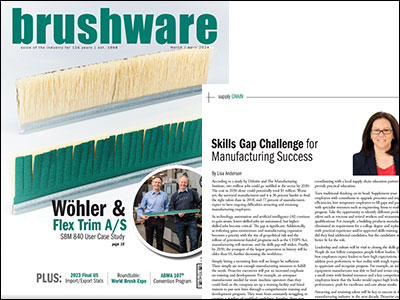
Skills Gap Challenge for Manufacturing Success

According to a study by Deloitte and The Manufacturing Institute, 2 million jobs could go unfilled in the sector by 2030. The cost in 2030 alone could potentially total $1 Trillion.

Regional Manufacturing in the Medical Supply Chain

The supply chain has calmed down since the height of the pandemic; however, smart manufacturers are thinking ahead to changing conditions. Geopolitical risks are at an all-time high.

Go to Top