

909.630.3943

Supply chain disruptions

State of Supply Chain

Global supply chains remain volatile, with disruptions ranging from port congestion and labor shortages to geopolitical conflicts and inflationary pressures. Learn how proactive planning, risk assessment, and strategic supply chain decisions can help build resilience, protect customer service, and position your business for long-term success.
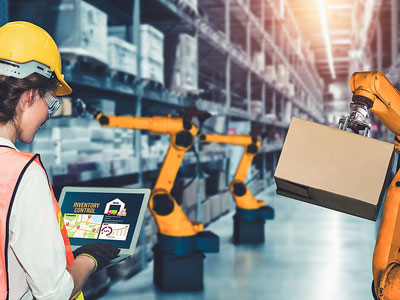
Five steps to manage supplier risk in your supply chain | Netstock

Supplier risk can quickly disrupt production, inventory, and customer service. Lisa Anderson participates on a panel and discusses five steps businesses can take to improve supplier visibility, leverage better data, strengthen supply chain planning, and proactively identify and manage supplier risk.

Getting Ahead of Inflationary and Deflationary Pressures Using SIOP / S&OP

Because we live in a global, supply chain disrupted world amidst record-breaking prices for food, commodities and oil (and all products dependent on these industries), not only are businesses looking to navigate inflationary pressures, but also deflationary pressures. Inflation can lead to deflation as consumers panic and demand softens.

Zephyr Manufacturing: Proactive Planning to Grow and Scale

Proactive planning can help manufacturers prepare for growth even amid continued supply chain disruptions. Lisa Anderson discusses why capacity planning, what-if scenarios, and strong planning processes are essential to assess capabilities, support additional sales, and achieve profitable, scalable growth.

Southern California CEO: Worldwide Supply Chains Critical to Supply Chain Strength

Manufacturing and Supply Chain Expert Lisa Anderson, MBA, CSCP, CLTD, President of LMA Consulting Group Inc., states"supply chains are going to be volatile until our world order becomes more predictable".

The Strongest Link in Your Supply Chain Remains Critically Relevant

A supply chain is only as strong as its weakest link. Discover how proactive planning, SIOP, supply chain visibility, inventory management, and technology can help strengthen resilience, minimize disruptions, and improve customer service, productivity, and profitability.

Lisa Anderson, Manufacturing and SIOP Expert and President of LMA Consulting Sees Worldwide Supply Chains Critical to Supply Chain Strength

Manufacturing and Supply Chain Expert Lisa Anderson, MBA, CSCP, CLTD, President of LMA Consulting Group Inc., predicts supply chain challenges for the foreseeable future. She also suggests that mitigating supply chain challenges will require leveraging the strength of direct and indirect global supply chains.

Supply Chain Disruptions Impacting Baby Formula Availability

The baby formula shortage exposed critical vulnerabilities in the supply chain. Lisa Anderson discusses the factors behind the shortage, the challenges of restoring production and supply, and why organizations must proactively address risk, capacity, inventory, and supply chain resilience.

Supply Chain Disruptions Have Become an Excuse

Supply chain disruptions have become a convenient excuse, but successful companies are taking control. Lisa Anderson explains why proactive planning, risk management, backup strategies, and collaboration with end-to-end supply chain partners are essential to building resilience and navigating continued volatility.

SelectHub: Manufacturing Trends 2022: Maintaining a Competitive Edge

Lisa Anderson shares her perspective on how emerging manufacturing technologies such as 3D printing can help manufacturers accelerate production, improve agility, reduce waste, and strengthen supply chain performance while maintaining a competitive edge.

Go to Top