


909.630.3943

Supply chain disruptions

Rebuilding Industrial Manufacturing in the U.S.

Tariffs, sweeping policy changes under the One Big Beautiful Bill, heightened geopolitical risk and the accelerating impact of artificial intelligence, is leading companies to rethink where and how they build their products and serve their customers. After decades of offshoring, fragile global supply chains and margin pressure, U.S. manufacturing, mining, and construction are entering a decisive new growth cycle.
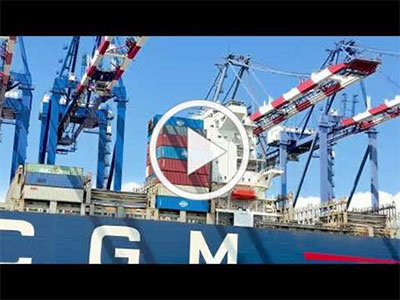

Supply Chain Chokepoints in Goods Movement & the Path Forward

You are only as strong as your weakest link in your supply chain. This concept has come to fruition as a series of chokepoints have been impacted. Smart companies are utilizing common sense and artificial intelligence enabled advanced planning systems to predict disruptions, navigate around chokepoints, and proactively prepare for success.

Gulf War, Impacts & Strategies for the Supply Chain

Despite years of disruption and volatility, most organizations are still operating in a reactive mode—responding to issues rather than proactively shaping outcomes as recently highlighted in the Gulf war. In a recent episode of the Professionals of the Inland Empire podcast, Lisa Anderson discussed this gap and how to prepare for success.

From Reactive to Proactive: Planning Strategies for Medtech Customer and Margin Success

Heightened geopolitical and logistics risks are making it difficult for companies to successfully navigate evolving global supply chain conditions while keeping customer and EBITDA growth goals intact. According to DP World, 82% of supply chain leaders view geopolitical disruption as a major risk, yet only a quarter feel fully prepared.

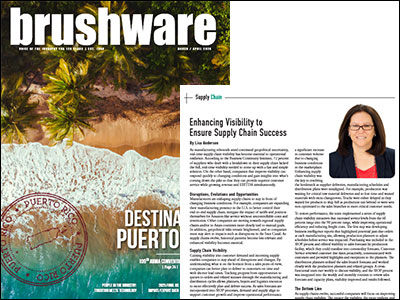
Enhancing Visibility to Ensure Supply Chain Success

As manufacturing rebounds amid continued geopolitical uncertainty, real-time supply chain visibility has become essential to operational resilience. These companies can respond quickly to changing conditions and gain insights into what’s coming down the pike so that they can provide superior customer service and grow revenue and EBITDA.

Building Capabilities for Regional Supply Chain Independence

In this Supply Chain Byte, Lisa Anderson explains why manufacturers must focus on building capabilities for regional supply chain independence. We discuss how the conflict in the Middle East is highlighting the critical importance of regional supply chains and strategies for success.

What to Learn from the Iran War: Demand, Supply, Location & Flow

Although there are plenty of issues related to the War in Iran, from a supply chain perspective, the key issue is that the Strait of Hormuz has been blocked. This supply chain chokepoint is limiting the movement of energy. We discuss take aways related to demand, supply, flow and location.

Supply Chain Expert Lisa Anderson Explains How Iran Conflict Is Rippling Through Global Manufacturing

Lisa Anderson is highlighting vulnerabilities in global supply chains as the recent conflict involving Iran creates ripple effects across global trade, energy markets and critical manufacturing components.

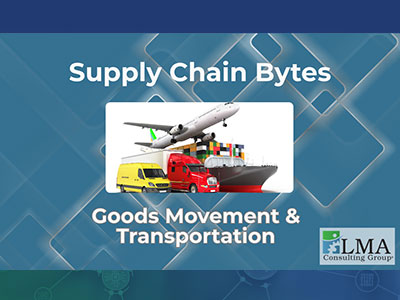
Goods Movement & Transportation

In this Supply Chain Byte, Lisa Anderson discusses what is happening across trucking, package shipping and ocean freight - and why understanding demand and supply dynamics within transportation is critical to maintaining profitability and success.

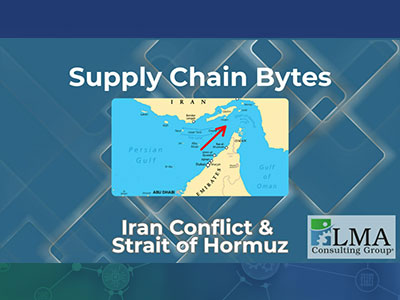
Iran Conflict & The Strait of Hormuz

In this Supply Chain Byte, Lisa Anderson explains why the Iran conflict and the Strait of Hormuz matter to manufacturers. As one of the most critical shipping chokepoints in the world, disruptions in this region can impact global trade, energy supply and transportation costs.

Go to Top