


909.630.3943

Lisa

About Lisa Anderson

Lisa Anderson is President of LMA Consulting Group and a manufacturing and supply chain expert who works with companies to drive predictable growth, performance, and profitability through resilient, AI-enabled supply chains. She advises manufacturers and distributors on supply chain planning and SIOP, operational performance, supply chain resilience, and AI, ERP, and advanced technologies to anticipate risk, scale successfully, and deliver bottom-line results.

Read more about Lisa Anderson.

Supply Chain Disruptions Have Become an Excuse

Supply chain disruptions have become a convenient excuse, but successful companies are taking control. Lisa Anderson explains why proactive planning, risk management, backup strategies, and collaboration with end-to-end supply chain partners are essential to building resilience and navigating continued volatility.

SelectHub: Manufacturing Trends 2022: Maintaining a Competitive Edge

Lisa Anderson shares her perspective on how emerging manufacturing technologies such as 3D printing can help manufacturers accelerate production, improve agility, reduce waste, and strengthen supply chain performance while maintaining a competitive edge.

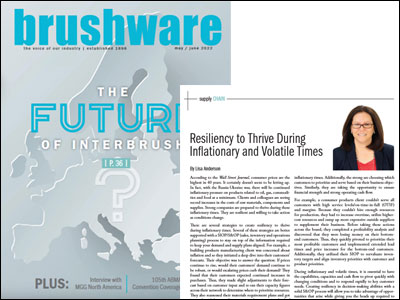
Resiliency to Thrive During Inflationary & Volatile Times

Inflation and supply chain volatility are putting increasing pressure on manufacturers to make faster, smarter decisions. Learn how resilient companies use SIOP to align demand, capacity, inventory, and profitability so they can adapt quickly, strengthen cash flow, and position themselves for long-term success.

Shanghai Lockdown

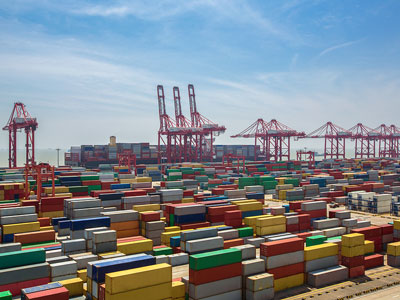
The Shanghai lockdown created another major bottleneck in an already disrupted global supply chain. Lisa Anderson discusses the impact of port congestion and geopolitical events and why companies must assess risks, strengthen supply chain partners, and build resilience to regain control of their end-to-end supply chains.

ACHR: Some Supply Chain Pressures Ease

While some supply chain pressures are easing, manufacturers continue to face shortages, delays, and uncertainty. Global disruptions, including the Russia-Ukraine war and challenges in China, demonstrate how quickly problems can cascade through interconnected supply chains and impact material availability, lead times, and customer service.

Resort Trades: Inflation Busters: Protecting Profits As Costs Keep Rising

Lisa Anderson, Manufacturing and Supply Chain Expert and President of LMA Consulting Group, talks about the coming months and keeping an eye on cash balance."Proactively managing cashflow is critical right now".

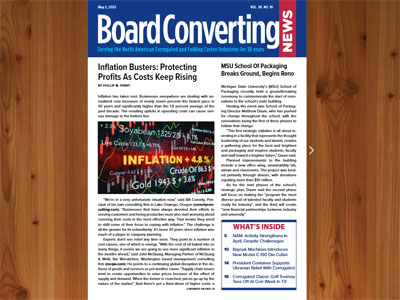
Inflation Busters: Protecting Profits As Costs Keep Rising

Inflation has taken root. Businesses everywhere are dealing with annualized cost increases of nearly seven percent--the fastest pace in 40 years and significantly higher than the 1.8 percent average of the past decade. The resulting upticks in operating costs can cause serious damage to the bottom line.

ERP & Related Technology to Manage High Complexity with High OTIF Levels

ERP systems and related technologies can help manufacturers manage increasingly complex supply chains while improving customer service and operational performance. By integrating the right technologies and turning data into actionable insights, companies can increase OTIF, reduce costs and inventory, and make faster, more informed decisions.

Replenishment Planning Best Practices to Improve Service Levels, Logistics Efficiencies, and Inventory Turns

Effective replenishment planning helps manufacturers and distributors improve customer service while controlling inventory and logistics costs. By aligning demand, inventory positioning, transportation, supplier capabilities, and replenishment strategies, companies can increase inventory turns, strengthen working capital, and improve supply chain responsiveness.

Using SIOP to Navigate Global Disruptions

Global disruptions can quickly impact supply, costs, capacity, and customer service. By using SIOP to evaluate changing conditions, risks, inventory, capacity, and customer priorities, manufacturers can make proactive decisions, strengthen supply chain resilience, and position themselves to capture growth opportunities.

Go to Top