This is how companies deal with the Red Sea crisis
This is how companies deal with the Red Sea crisis: planes, storage, and closest suppliers.



This is how companies deal with the Red Sea crisis: planes, storage, and closest suppliers.
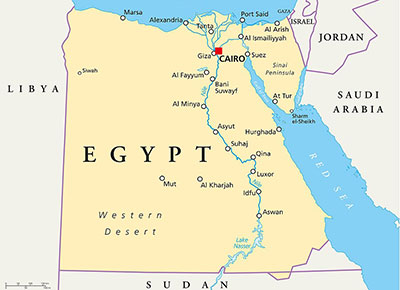
The recent turmoil in the Red Sea, triggered by Houthi drone and missile attacks, has significantly amplified risks in global shipping, particularly affecting the Suez Canal and Red Sea routes.
Supply chain disruptions are nothing new for the shipping industry. The COVID-19 pandemic presented an unprecedented challenge for the industry. Lisa Anderson comments on the disruptions arising from the current Houthi attacks in the Red Sea and the implications.
Supply chains are being reshaped by geopolitical uncertainty, talent shortages, technology disruption, and evolving customer expectations. In this Manufacturing Matters webinar, Lisa Anderson discusses practical strategies to improve resiliency, leverage SIOP, develop talent, and build supply chains that support long-term growth and profitability.
The best consulting clients are razor focused on supply chain volatility, risk and capacity. The recent events in the Red Sea highlight these critical priorities.
China is Israel’s number two trading partner, and so there will be a significant impact to that trading relationship during the war. There will be disruptions due to labor shortages as business workers are called up as army reservists, and as disruptions occur due to the war.
Lisa Anderson of LMA Consulting Group was quoted on Bloomberg Law about risk to China-linked supply chains, especially geopolitical risk, prompting some companies to rethink where they source their materials or manufacture their products.
Companies went global for the past few decades with a gusto to save labor costs. The pandemic jolted many Executives eyes open to the risks in the global supply chain. Suddenly, companies were reevaluating their global footprint with an eye to cost, risk (supply chain, geopolitical, etc.), customer performance, etc.
Israel was attacked by Hamas, and the world has another war in another region of the world. Since the global supply chain is interconnected, in addition to the devastation in the region, supply chain impacts will emerge.
Lisa Anderson, President of LMA Consulting Group, presented at the International Union of Marine Insurance (IUMI) Annual Conference, sharing insights on global supply chain trends, geopolitical risk, resiliency, and SIOP strategies for navigating an increasingly complex global business environment.