


909.630.3943

Supply chain visibility

Advanced Planning Systems (APS)

Advanced Planning Systems (APS) are no longer optional - they are becoming critical to smarter, faster and more profitable supply chain decisions. In this Supply Chain Byte, Lisa Anderson explains why manufacturers should be looking closely at APS. Recent client situations highlighted three key needs: scenario planning, constraint-based planning and end-to-end visibility & predictive insights.


Smart Planning

Planning is becoming more complex, but smarter planning makes the difference. In this Supply Chain Byte, Lisa Anderson outlines three key planning challenges manufacturers are facing today - and three ways to address them.

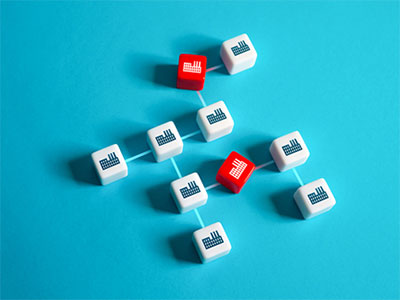
Supply Chain Chokepoints in Goods Movement & the Path Forward

You are only as strong as your weakest link in your supply chain. This concept has come to fruition as a series of chokepoints have been impacted. Smart companies are utilizing common sense and artificial intelligence enabled advanced planning systems to predict disruptions, navigate around chokepoints, and proactively prepare for success.

From Reactive to Proactive: Planning Strategies for Medtech Customer and Margin Success

Heightened geopolitical and logistics risks are making it difficult for companies to successfully navigate evolving global supply chain conditions while keeping customer and EBITDA growth goals intact. According to DP World, 82% of supply chain leaders view geopolitical disruption as a major risk, yet only a quarter feel fully prepared.

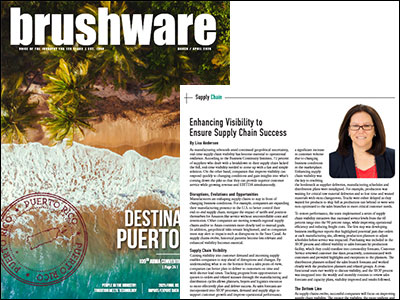
Enhancing Visibility to Ensure Supply Chain Success

As manufacturing rebounds amid continued geopolitical uncertainty, real-time supply chain visibility has become essential to operational resilience. These companies can respond quickly to changing conditions and gain insights into what’s coming down the pike so that they can provide superior customer service and grow revenue and EBITDA.

Demand & Supply Execution: It’s All About the Order

The sales order is one of the most critical signals in demand and supply management because it represents committed customer demand. It isn't a projection but an order the company must fulfill. In a well-run supply chain, the sales order becomes the anchor that aligns demand with supply decisions as it ties customer needs with planning, inventory, and operations.

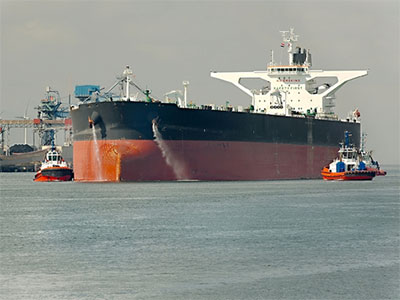
What to Learn from the Iran War: Demand, Supply, Location & Flow

Although there are plenty of issues related to the War in Iran, from a supply chain perspective, the key issue is that the Strait of Hormuz has been blocked. This supply chain chokepoint is limiting the movement of energy. We discuss take aways related to demand, supply, flow and location.

Weather Events Like the Winter Storm Highlight the Value of AI & Advanced Technologies

The storm that blanketed the U.S. had impacts that reverberated throughout the supply chain. Artificial intelligence and advanced technologies can refocus efforts from reactive to proactive and improve the outcome for people and mitigate further supply chain disruptions.

Proactive Planning Strategies for Customer & EBITDA Success

As we close in on year-end, successful manufacturers are focused on executing proactive plans. Learn about the strategies the best companies are using to accelerate the pace and separate from the pack. The ability to scale, provide customer value and gain EBITDA will drive success in the New Year.

Strategies to Move Supply Chains from Global to Local with Resiliency

Smart proactive companies are moving supply chains from global to local - or regional at a minimum. Yet the best companies are doing that while also focusing on resiliency. Our best clients are getting ahead of the pack with proactive strategies to move towards local with resiliency.

Go to Top