Smart Planning
Planning is becoming more complex, but smarter planning makes the difference. In this Supply Chain Byte, Lisa Anderson outlines three key planning challenges manufacturers are facing today - and three ways to address them.



Planning is becoming more complex, but smarter planning makes the difference. In this Supply Chain Byte, Lisa Anderson outlines three key planning challenges manufacturers are facing today - and three ways to address them.
Tariffs, sweeping policy changes under the One Big Beautiful Bill, heightened geopolitical risk and the accelerating impact of artificial intelligence, is leading companies to rethink where and how they build their products and serve their customers. After decades of offshoring, fragile global supply chains and margin pressure, U.S. manufacturing, mining, and construction are entering a decisive new growth cycle.
Heightened geopolitical and logistics risks are making it difficult for companies to successfully navigate evolving global supply chain conditions while keeping customer and EBITDA growth goals intact. According to DP World, 82% of supply chain leaders view geopolitical disruption as a major risk, yet only a quarter feel fully prepared.
Lisa Anderson, Founder and President of LMA Consulting Group, ranked number 16 in SAP's Supply Chain Influencers list, now joins the ranks as one of Clarity's top 50 Best Thought Leaders in Manufacturing.
As manufacturing rebounds amid continued geopolitical uncertainty, real-time supply chain visibility has become essential to operational resilience. These companies can respond quickly to changing conditions and gain insights into what’s coming down the pike so that they can provide superior customer service and grow revenue and EBITDA.
The sales order is one of the most critical signals in demand and supply management because it represents committed customer demand. It isn't a projection but an order the company must fulfill. In a well-run supply chain, the sales order becomes the anchor that aligns demand with supply decisions as it ties customer needs with planning, inventory, and operations.
Companies are showing increasing interest in supply chain transformation as they want to create predictability, scalability, agility, and sustainable, profitable growth. We’ll talk through supply chain transformation, what’s included, how it relates to SIOP, ERP, and AI, and review a case study example.
In this episode of Supply Chain Chats, Lisa Anderson talks with Eric P. Rose about the realities of bringing new products to market in today’s complex supply chain environment. Watch the full discussion to learn how organizations can develop innovative products that not only excite the market but can also be produced efficiently and profitably.
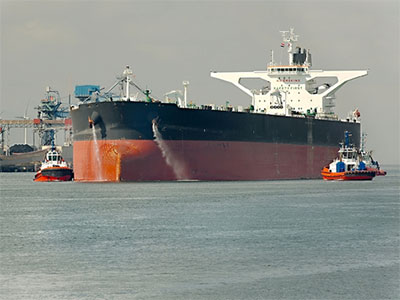
Although there are plenty of issues related to the War in Iran, from a supply chain perspective, the key issue is that the Strait of Hormuz has been blocked. This supply chain chokepoint is limiting the movement of energy. We discuss take aways related to demand, supply, flow and location.
Lisa Anderson is highlighting vulnerabilities in global supply chains as the recent conflict involving Iran creates ripple effects across global trade, energy markets and critical manufacturing components.