

LMA Introduces Services Framework to Help Manufacturers Clarify Supply Chain Priorities
Introducing a new services framework that helps manufacturers better understand and tackle the complexity of their supply chains.
The world is VUCA-laden (volatility, uncertainty, complexity, ambiguity) and trending to greater volatility as risk heightens, supply chains unravel and short-term priorities remain intact.
Before Trump took office, let alone announced or implemented his tariffs plan, many major companies brought in extra inventory of products to the US in an attempt to mitigate the impact of potential tariffs, but the buffer will run out soon.
If you have domestic production and you’re going to move products into Southern California because you want to supply customers here, you do have a choice.
LMA Consulting Group is excited to introduce Supply Chain Power: A Playbook for Executives — an exclusive, hands-on program designed to help C-suite leaders unlock the full potential of their supply chains.
Tariffs continue to create uncertainty across global supply chains, logistics networks, and regional economies. As companies assess the implications of escalating trade tensions with China, questions have emerged about the potential impact on warehousing, transportation, employment, and manufacturing investment throughout the Inland Empire. While concerns remain about short-term disruption [...]
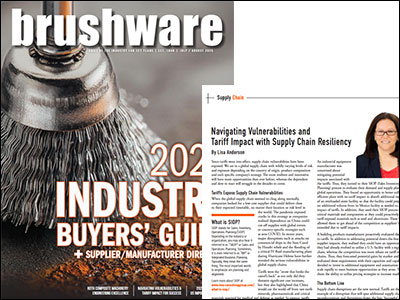
The most important strategy to minimize the impact of sudden tariff changes is to create a resilient supply chain. Addressing tariffs requires a short-term and long-term strategy. In the short term, you must stay ahead of changing conditions, enhance your supply chain visibility so that you know the origin and risks of your end-to-end supply chain and be ready to move rapidly.
Supply chain shortages have improved from their all-time high in Q1 2024. Yet, risks remain high, especially with the increased level of vulnerabilities.
The de minimis exemption disrupts e-commerce, leading businesses to rethink tariffs, logistics, and sourcing strategies for supply chain stability.
The U.S.-China tariff impact is reshaping supply chains. Businesses must adapt with reshoring, diversification, & regional strategies to stay competitive.