How Is Demand Looking & the Critical Importance of Sales Forecasts
Industrial manufacturers are experiencing slumps across the board. The good news is that customers are not canceling orders; however, they are delaying BIG TIME.



Industrial manufacturers are experiencing slumps across the board. The good news is that customers are not canceling orders; however, they are delaying BIG TIME.
Disruptions abound no matter the supply chain. Aerospace has been particularly hard hit. Boeing's issues have plagued them the entire year.
Companies can mitigate the volatility caused by labor disputes by rethinking sourcing strategies, upgrading planning processes, and using advanced technology.
There has been a plethora of strikes, potential strikes and disruptions in the last few years. In fact, the threat of strikes has made its way through the supply chain.
Companies are overwhelmed with data. There is ERP related data, global supply chain data, world economic data, industry and market data, customer and supplier data, email communications, and the list goes on.
How can manufacturers prepare for sudden demand surges and unexpected market shifts? In this From the Ground Up podcast discussion, Lisa Anderson shares strategies for building flexible, resilient supply chains that can respond quickly to demand shocks and support profitable growth.
Lisa Anderson, a supply chain expert and consultant who founded LMA Consulting Group, says projecting future demand is paramount when facing a demand surge.
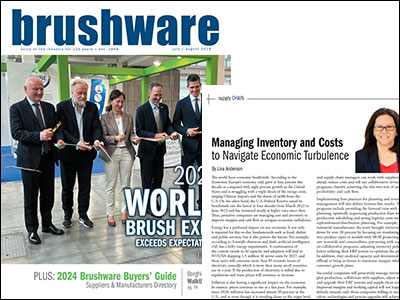
Economic uncertainty is putting pressure on margins and cash flow, but proactive manufacturers are responding strategically. Learn how inventory optimization, SIOP, ERP, and better supply chain planning can reduce costs while maintaining customer service and preparing for future growth.
Sales strategies and customer programs are pivotal to developing a demand plan in support of sales revenue growth goals. SIOP (Sales Inventory Operations Planning) will translate these sales forecasts into operations and supply plans for review with cross-functional teams to ensure the sales plans are fulfilled successfully and efficiently.
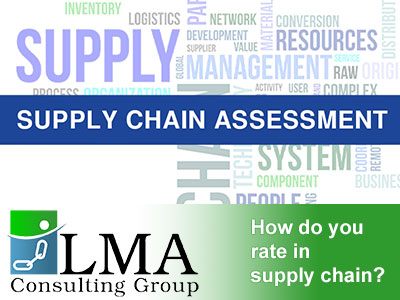
Clients typically set goals; however, goals without an understanding of where you stand is non-value added. Although it is common to set goals and expect employees to achieve them, it is far less common for clients to understand how they will get from the current state to the desired future state.