

Sustainable Manufacturing = Uncommon Common Sense
Manufacturers should work to reduce materials, energy consumption, and inefficiencies to improve their carbon footprint and achieve the triple bottom line.
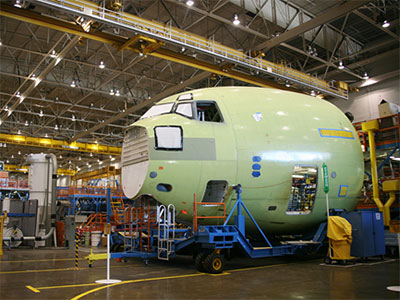
Lisa Anderson addresses the significant challenges posed by recent quality issues at Boeing and their widespread effects on the aerospace and related supply chains. Drawing from her in-depth industry experience, Ms. Anderson offers vital strategies for companies to navigate these disruptions effectively.
The aerospace supply chain has been struggling to recover since the pandemic. The industry has been plagued with shortages, labor issues, and supply chain issues. According to McKinsey, demand was back to 97% of pre-pandemic levels as of December 2023.
California's minimum wage went up to $20/hr. for fast food restaurants with at least 60 locations nationwide that do not make bread. This law is causing widespread unintended consequences. For example, Fosters Freeze in Lemoore closed suddenly after the wage hike. Mod 5 Pizza is closing five locations.
The Baltimore disaster is expected to further compound the stress already placed on the global freight system. “Container shipping traffic has already been quite disrupted, because of the drought going on in the Panama Canal–ships from there [are] going through the Suez Canal to come to the east coast of the U.S. from Northeast Asia,” says Lisa Anderson.
According to a study by Deloitte and The Manufacturing Institute, 2 million jobs could go unfilled in the sector by 2030. The cost in 2030 alone could potentially total $1 Trillion.
Since packaging is typically 10-40% of the retail price of products, there is no doubt it adds up to a relevant factor in product cost and waste.
This cutting-edge tool prompts supply chain professionals, operations executives and senior leaders to introspect and critically assess various facets of their supply chains that affect customer performance, with a focus on flexibility and efficiency.
Production planning software is a manufacturing solution that helps you plan for and supervise essential workflows in the production process. Lisa Anderson gives her tips on what you should look for.
No client has enough high-skilled talent. In fact, it is the single largest issue facing executives. The skills gap is severe for high-skilled roles. Yet any company that wants to succeed is automating, digitizing, and utilizing advanced technologies such as robotics, additive manufacturing, and predictive analytics.