How Is Demand Looking & the Critical Importance of Sales Forecasts
Industrial manufacturers are experiencing slumps across the board. The good news is that customers are not canceling orders; however, they are delaying BIG TIME.



Industrial manufacturers are experiencing slumps across the board. The good news is that customers are not canceling orders; however, they are delaying BIG TIME.
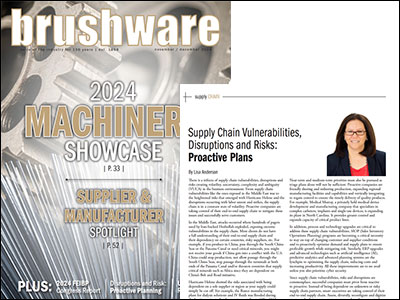
There is a trifecta of supply chain vulnerabilities, disruptions, and risks creating volatility, uncertainty, complexity, and ambiguity (VUCA) in the business environment. From supply chain vulnerabilities like the ones exposed in the Middle East war to the heightened risks that emerged with Hurricane Helene [...]
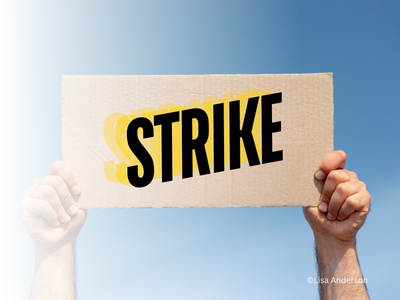
Companies can mitigate the volatility caused by labor disputes by rethinking sourcing strategies, upgrading planning processes, and using advanced technology.
Hurricane Milton has blown through Florida. In addition to continuing havoc since it occurred close behind Hurricane Helene, it has created further supply chain disruptions that will have ripples throughout the globe.
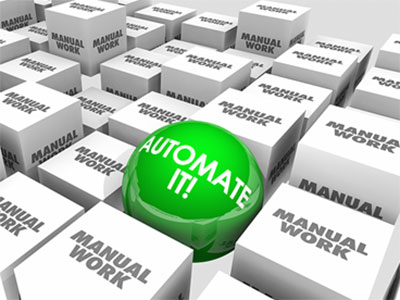
Given the uncertainty of the economy creating extreme push outs and pull ins with customer orders, only those companies that can successfully deal with uncertain and changing conditions can thrive. Companies that automate, create value and digitize will drive bottom-line results.
Volatility, uncertainty, complexity, and ambiguity (VUCA) have plagued medtech’s supply chain since the pandemic. Drug shortages last year hit their highest levels in a decade, with 99% of hospital and health system pharmacists experiencing medicinal dearths, according to an American Society of Health System Pharmacists (ASHP) survey.
There has been a plethora of strikes, potential strikes and disruptions in the last few years. In fact, the threat of strikes has made its way through the supply chain.
According to the WorldMetrics.org report, 89% of manufacturers believe automation is key to increasing productivity. More importantly to increasing profitable growth, the report also finds that automation reduces manufacturing lead time by 75%.
A forward-looking supply chain strategy report by Lisa Anderson, emphasizing the importance of innovation and future-proofing in supply chain management.
Download Lisa's mid-year special report, FutureScape: Crafting Tomorrow's Supply Chain Today.