Strikes and labor negotiations highlight need for resilient supply chains
Companies can mitigate the volatility caused by labor disputes by rethinking sourcing strategies, upgrading planning processes, and using advanced technology.



Companies can mitigate the volatility caused by labor disputes by rethinking sourcing strategies, upgrading planning processes, and using advanced technology.
As geopolitical and economic risks rise, executives become more concerned. Proactive clients are taking action to boldly invest where it makes sense while aggressively focusing on inventory and cost reduction of non-value added items/ work and also ensuring high customer service levels.
Manufacturers wish they left supply chain shortages behind after the pandemic, but they remain top of mind. Concerns remain. According to KPMG, “71% of global companies highlight raw material costs as their number one supply chain threat for 2023.”
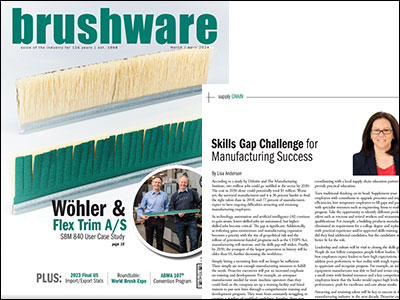
According to a study by Deloitte and The Manufacturing Institute, 2 million jobs could go unfilled in the sector by 2030. The cost in 2030 alone could potentially total $1 Trillion.
Clients typically set goals; however, goals without an understanding of where you stand is non-value added. Although it is common to set goals and expect employees to achieve them, it is far less common for clients to understand how they will get from the current state to the desired future state.
In the last month, we've participated in at least six economic forecast presentations or discussions with experts (economic, banking, investment, manufacturing). Although they each had nuances, common themes emerged. Adding our expertise into the mix, we see volatility on the horizon.
Disruptions have not stopped. China has been flying balloons over Taiwan. North Korea is threatening South Korea. Russia continues its war with Ukraine. Israel is at war with Hamas [...]
Although production and materials planning can be overlooked in its importance in most companies if going smoothly, it is cornerstone to success.
Clients are struggling to keep up with customer's changing requests. Order backlogs remain relatively high (depending on the industry), but customers are pushing orders out at the last minute, pulling orders in without notice, adding future potential orders, and changing requirements on the fly. Production is scrambling to keep up.
Production planning software is a manufacturing solution that helps you plan for and supervise essential workflows in the production process. Lisa Anderson gives her tips on what you should look for.