This is how companies deal with the Red Sea crisis
This is how companies deal with the Red Sea crisis: planes, storage, and closest suppliers.



This is how companies deal with the Red Sea crisis: planes, storage, and closest suppliers.
In the last month, we've participated in at least six economic forecast presentations or discussions with experts (economic, banking, investment, manufacturing). Although they each had nuances, common themes emerged. Adding our expertise into the mix, we see volatility on the horizon.
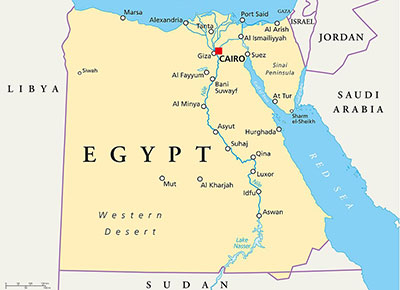
The recent turmoil in the Red Sea, triggered by Houthi drone and missile attacks, has significantly amplified risks in global shipping, particularly affecting the Suez Canal and Red Sea routes.
Supply chain disruptions are nothing new for the shipping industry. The COVID-19 pandemic presented an unprecedented challenge for the industry. Lisa Anderson comments on the disruptions arising from the current Houthi attacks in the Red Sea and the implications.
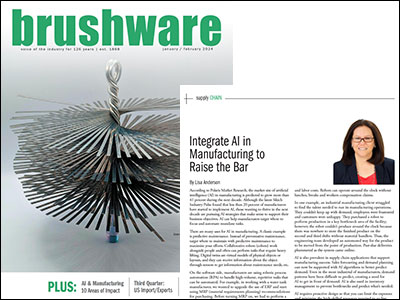
According to Polaris Market Research, the market size of artificial intelligence (AI) in manufacturing is predicted to grow more than 41% during the next decade. Although the latest Sikich Industry Pulse found that less than 20% manufacturers have started to implement AI [...]
99% of the companies that bring us on board for consulting projects can accelerate bottom line business results by better utilizing their ERP system.
Clients are struggling to keep up with customer's changing requests. Order backlogs remain relatively high (depending on the industry), but customers are pushing orders out at the last minute, pulling orders in without notice, adding future potential orders, and changing requirements on the fly. Production is scrambling to keep up.
Automation is coming, whether or not we get on board. Most executives do not want to be the guinea pig for new technology as they cannot afford disruption and risk.
The best consulting clients are razor focused on supply chain volatility, risk and capacity. The recent events in the Red Sea highlight these critical priorities.
40% of the goods movement from Northeast Asia to the U.S. East Coast go through the Panama Canal, and so the Panama Canal issues are driving shortages, late deliveries, and re-routing of goods.