

Businesses & Manufacturing Are On the Move
According to The California Policy Center, 237 companies have left California since 2005. Most companies cited the expanding regulatory and taxation environment.
The aerospace supply chain has been struggling to recover since the pandemic. The industry has been plagued with shortages, labor issues, and supply chain issues. According to McKinsey, demand was back to 97% of pre-pandemic levels as of December 2023.
In this Critical Mass Business Talk Radio interview, Lisa Anderson discusses supply chain resilience, inventory strategy, reshoring, manufacturing competitiveness, and the steps organizations can take to build more agile and profitable operations.
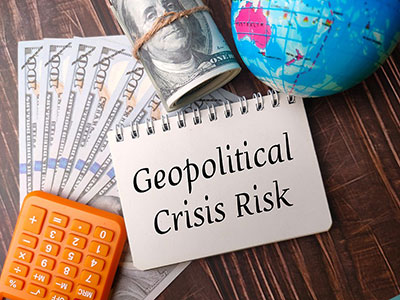
COVID-19 may no longer be a significant public health threat, but the global supply chain remains chock full of risk. The threats are seemingly everywhere these days: The Israel-Hamas war, which is sabotaging trade routes in the Red Sea; extreme drought, which is curtailing shipping in the Panama Canal, and China’s military aggression, which is threatening lawful commerce in the South China Sea.
California's minimum wage went up to $20/hr. for fast food restaurants with at least 60 locations nationwide that do not make bread. This law is causing widespread unintended consequences. For example, Fosters Freeze in Lemoore closed suddenly after the wage hike. Mod 5 Pizza is closing five locations.
Manufacturers wish they left supply chain shortages behind after the pandemic, but they remain top of mind. Concerns remain. According to KPMG, “71% of global companies highlight raw material costs as their number one supply chain threat for 2023.”
As manufacturers rethink global supply chains, reshoring, nearshoring, and friend-shoring are becoming central strategies for improving resilience, reducing risk, and supporting long-term growth. In this interview with the BBC, Lisa Anderson discusses the forces driving manufacturing closer to home, including geopolitical risk, government incentives such as the CHIPS Act, [...]
According to a study by Deloitte and The Manufacturing Institute, 2 million jobs could go unfilled in the sector by 2030. The cost in 2030 alone could potentially total $1 Trillion.
Since packaging is typically 10-40% of the retail price of products, there is no doubt it adds up to a relevant factor in product cost and waste.
The supply chain has calmed down since the height of the pandemic; however, smart manufacturers are thinking ahead to changing conditions. Geopolitical risks are at an all-time high.