How Is Demand Looking & the Critical Importance of Sales Forecasts
Industrial manufacturers are experiencing slumps across the board. The good news is that customers are not canceling orders; however, they are delaying BIG TIME.



Industrial manufacturers are experiencing slumps across the board. The good news is that customers are not canceling orders; however, they are delaying BIG TIME.
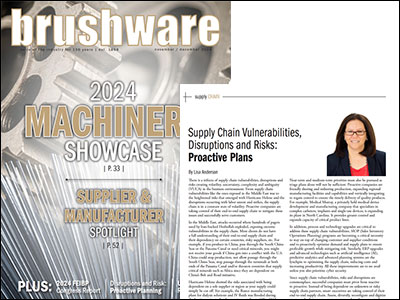
There is a trifecta of supply chain vulnerabilities, disruptions, and risks creating volatility, uncertainty, complexity, and ambiguity (VUCA) in the business environment. From supply chain vulnerabilities like the ones exposed in the Middle East war to the heightened risks that emerged with Hurricane Helene [...]
Disruptions abound no matter the supply chain. Aerospace has been particularly hard hit. Boeing's issues have plagued them the entire year.
Companies can mitigate the volatility caused by labor disputes by rethinking sourcing strategies, upgrading planning processes, and using advanced technology.
A single weak link can expose the entire supply chain to significant risks, which is why it’s crucial for companies to proactively assess and secure their end-to-end operations.
The Wall Street Journal reported that China-linked hackers breached U.S. internet providers. This hacking campaign termed Salt Typhoon is the latest attack into valuable computer networks.
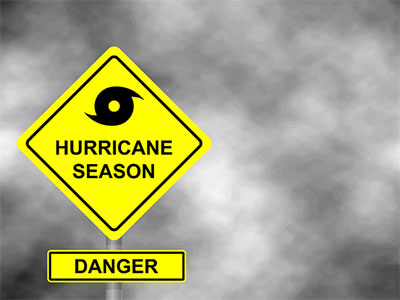
Hurricane Milton has blown through Florida. In addition to continuing havoc since it occurred close behind Hurricane Helene, it has created further supply chain disruptions that will have ripples throughout the globe.
Given the uncertainty of the economy creating extreme push outs and pull ins with customer orders, only those companies that can successfully deal with uncertain and changing conditions can thrive. Companies that automate, create value and digitize will drive bottom-line results.
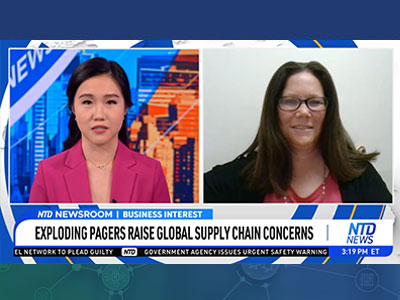
Supply chain risk has become a permanent business challenge. In this NTV News interview, Lisa Anderson discusses how companies can strengthen resilience through supplier diversification, contingency planning, reshoring strategies, and SIOP to better anticipate and respond to disruption.
Volatility, uncertainty, complexity, and ambiguity (VUCA) have plagued medtech’s supply chain since the pandemic. Drug shortages last year hit their highest levels in a decade, with 99% of hospital and health system pharmacists experiencing medicinal dearths, according to an American Society of Health System Pharmacists (ASHP) survey.